Insights from the 2026 Salinas Biological Summit
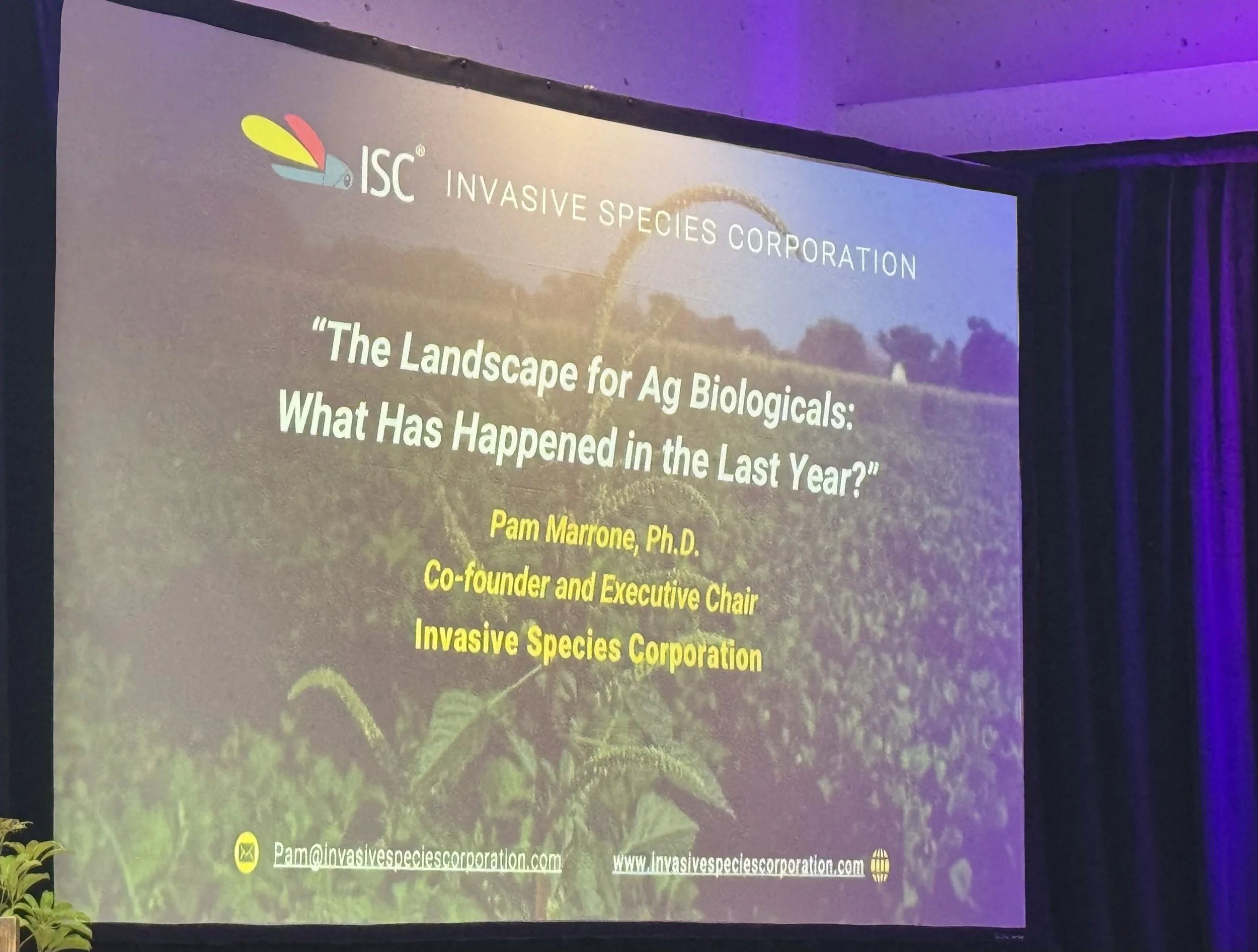
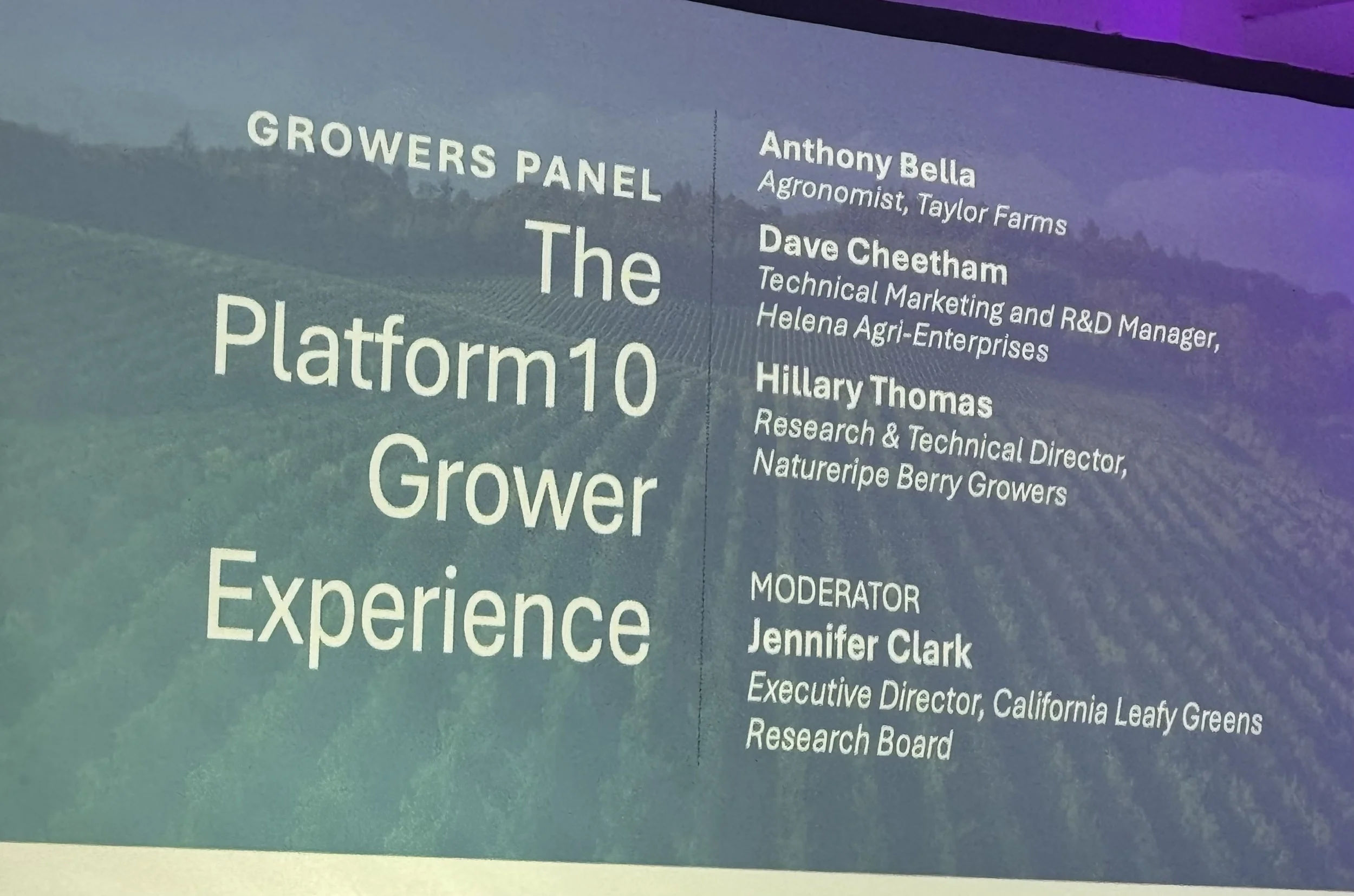
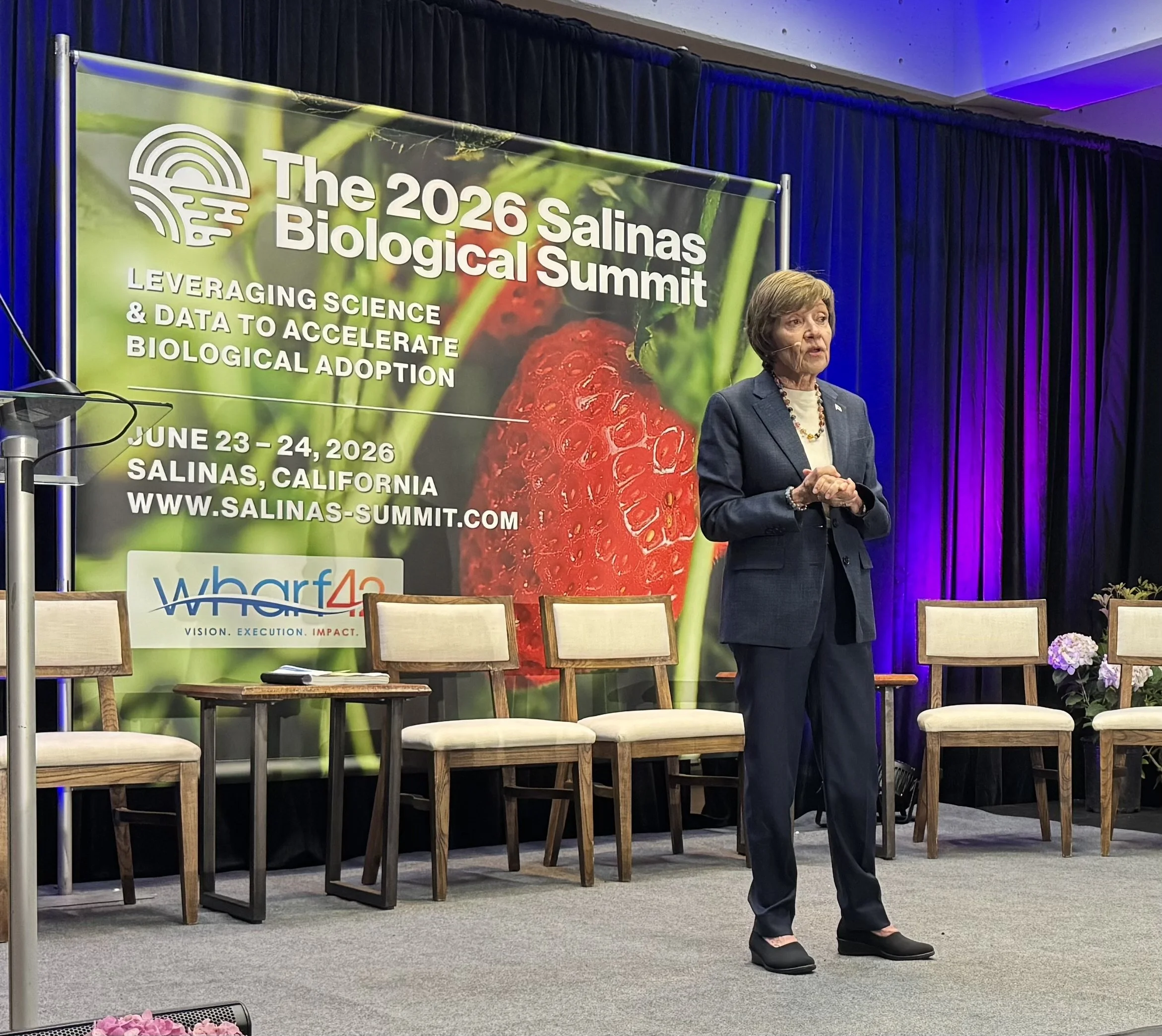
The 2026 Salinas Biological Summit brought together growers, researchers, biological companies, retailers, regulators, and industry leaders to discuss the future of biologicals and their role in agriculture. Conversations covered biological crop protection, Integrated Pest Management (IPM), retailer expectations, consumer perceptions, and on-farm adoption.
While each session explored a different aspect of the industry, several common themes emerged that are especially relevant for the fresh produce sector.
1. Growers Are Looking for Practical Solutions, Not Promises
One message came through consistently: growers are open to innovation, but it must solve real operational challenges.
Whether discussing biological products, conservation practices, or emerging technologies, growers emphasized the importance of solutions that fit into existing farming systems, perform consistently under commercial conditions, and deliver measurable business value.
Why It Matters: New solutions are adopted when they improve operations, not simply because they are new.
2. Building Resilience Is Becoming a Shared Goal
Across multiple presentations, resilience emerged as a common objective rather than a standalone topic.
Growers discussed practices to improve the long-term resilience of their operations, while retailers and foodservice companies increasingly emphasized resilient supply chains that can adapt to changing environmental and market conditions.
Why It Matters: Resilience is becoming a shared priority across the agricultural value chain.
3. Biologicals Are Becoming Another Tool in the Toolbox
Throughout the summit, biologicals were presented as one component of integrated crop management rather than a replacement for conventional practices. Successful adoption depends on commercial validation, practical recommendations, and confidence that products will perform under real farming conditions.
Why It Matters: Biologicals are becoming an important tool in integrated crop management, not a standalone solution.
4. Trust Is Built Through Measurable Outcomes
Researchers, retailers, and growers all emphasized the importance of credible, measurable data and real-world results.
As sustainability expectations and regulations continue to evolve, the ability to document outcomes and demonstrate continuous improvement will become increasingly important for supporting informed business decisions and strengthening credibility across the supply chain.
Why It Matters: Reliable data improves decision-making, strengthens credibility, and supports stronger supply chain relationships.
5. Innovation Requires Collaboration
Collaboration emerged as another consistent theme throughout the summit.
Growers, researchers, universities, industry organizations, retailers, foodservice companies, biological manufacturers, and government all play a role in moving new ideas from research into commercial production.
One statement captured this idea perfectly: “Growers are not resistant to change, they are resistant to unnecessary risk.”
Reducing uncertainty through commercial validation, trusted partnerships, technical support, and practical implementation will be critical to accelerating adoption.
Why It Matters: Innovation succeeds when growers have the confidence to put new ideas into practice.
Key Takeaways for The Fresh Produce Industry
The Salinas Biological Summit reinforced an important reality: growers adopt innovation when it creates measurable value and fits the realities of commercial farming.
As investment in biologicals continues to grow, success will depend on more than developing better products. It will require practical field validation, trusted partnerships, technical support, and the confidence to put new ideas into practice. When innovation reduces risk and delivers real business value, adoption grows, strengthening farming operations and benefiting the entire agricultural value chain.