Insights from the 2026 Agri-Pulse Food & Ag Issues Summit
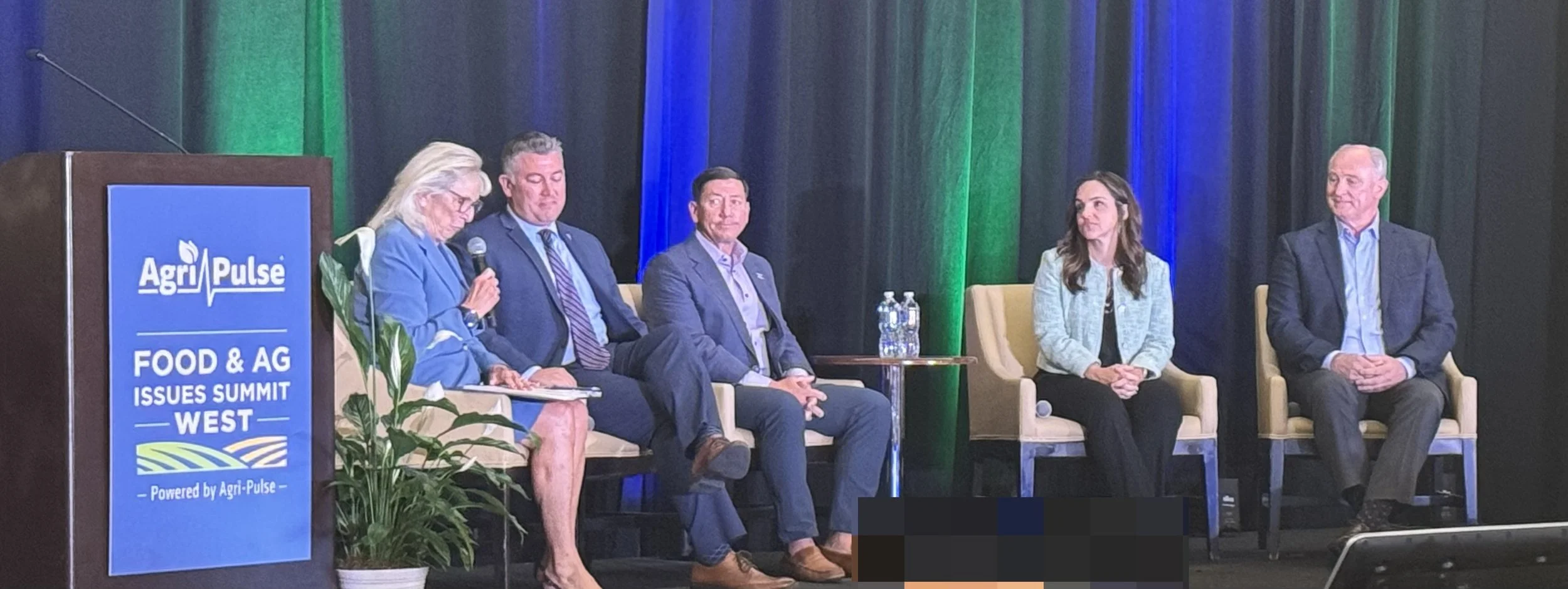
The Agri-Pulse Food & Ag Issues Summit brought together policymakers, industry leaders, growers, researchers, and agricultural organizations to discuss the forces shaping the future of agriculture. Rather than focusing on individual production practices, the conversations centered on the broader economic, regulatory, and policy landscape influencing agriculture today.
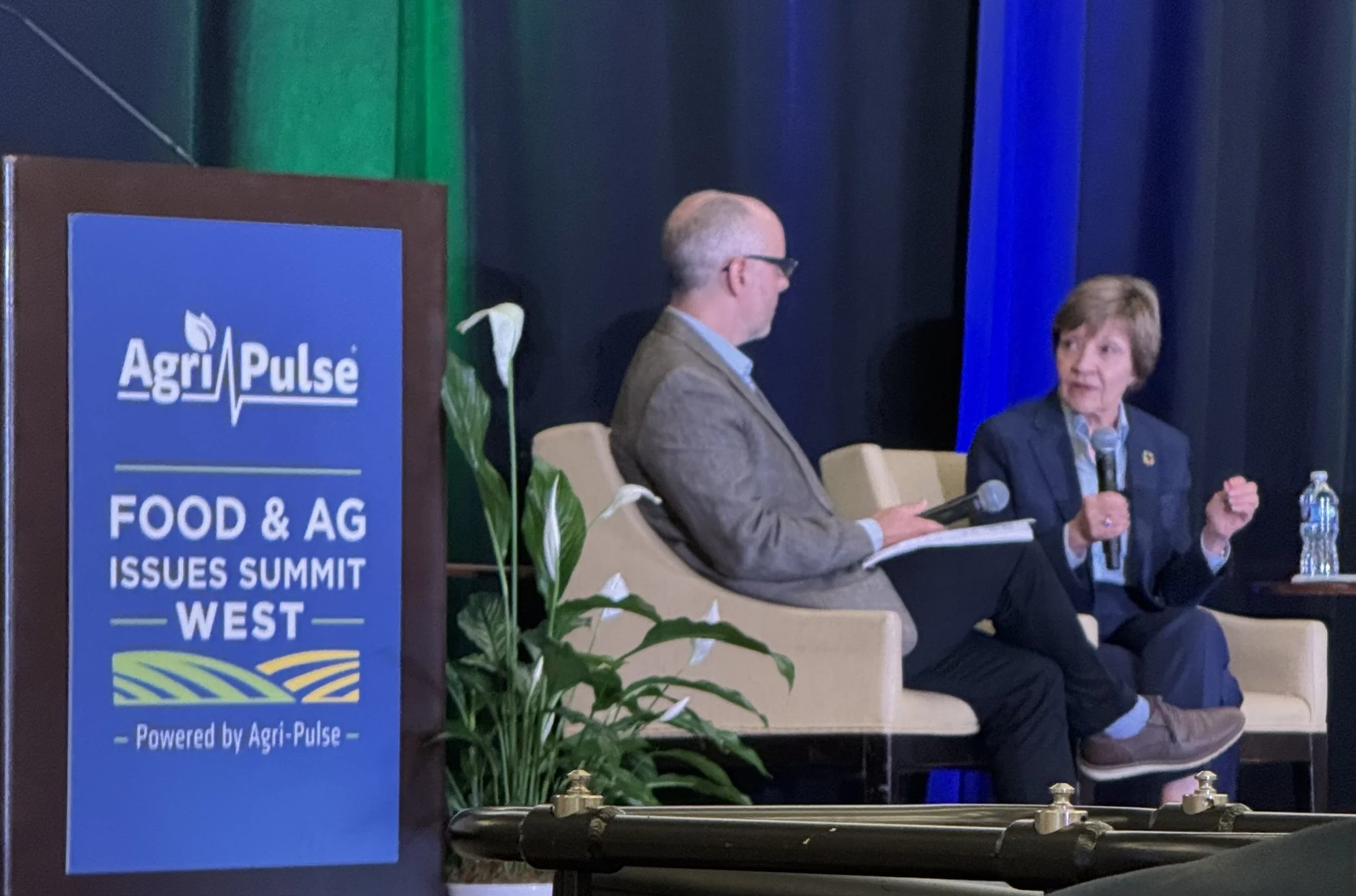
One message, consistently reinforced by California Secretary of Agriculture Karen Ross, stood throughout the summit: agriculture should be recognized as part of the solution, not simply viewed through the lens of its challenges.
Whether discussions focused on climate, water, labor, technology, food security, or public policy, speakers challenged the industry to think more broadly about agriculture’s role in creating a productive, resilient, and sustainable future.
Here are five themes that stood out for the fresh produce industry.
1. Navigating an Increasingly Complex Landscape
Agriculture has always operated in a complex environment, but today’s challenges extend well beyond production.
Water availability, labor, trade, technology, regulations, consumer expectations, and market pressures are becoming increasingly interconnected. Organizations that understand how these issues influence one another will be better prepared to make informed business decisions.
Why It Matters: Success depends on organizations that can adapt to multiple simultaneous challenges rather than treating each issue in isolation.
2. Policy Can Accelerate Innovation or Slow It Down
A recurring discussion throughout the summit was the growing influence of public policy on agriculture.
Policy can encourage investment and innovation, but regulatory complexity, uncertainty, and inconsistent implementation can also slow adoption and reduce competitiveness. Speakers emphasized the need for practical, science-based policies that support innovation while recognizing the operational realities of farming.
Why it Matters: Effective policy should create opportunities for agriculture, not additional obstacles.
3. Competitiveness Requires More Than Producing Great Crops
The future competitiveness of agriculture will depend on much more than productivity.
Speakers emphasized that remaining competitive will require continued investment in technology, infrastructure, workforce development, and business strategy, as well as the ability to anticipate change rather than simply respond to it.
Why it Matters: Organizations that invest today will be better positioned for tomorrow.
4. Collaboration Will Shape Agriculture’s Future
No single organization can solve agriculture’s biggest challenges alone.
Growers, researchers, universities, policymakers, technology providers, retailers, food companies, and industry organizations each bring a unique perspective. Addressing agriculture’s biggest opportunities and challenges will require stronger partnerships, shared learning, and better coordination across the agricultural value chain.
Why it Matters: Collaboration accelerates innovation and strengthens the industry as a whole.
5. Agriculture Is Part of the Solution
One of the summit’s clearest messages came from California Secretary of Agriculture Karen Ross.
Agriculture is already helping address some of society’s most pressing challenges by producing nutritious food, improving soil health, conserving water, advancing technology, supporting rural communities, and strengthening food security.
She also emphasized that agriculture must continue telling its story. The innovation happening across farms and throughout the food system is often underrecognized, despite being one of the industry’s greatest strengths.
Why it Matters: The future of agriculture will be shaped not only by how we innovate, but by how effectively we communicate agriculture’s role in solving society’s biggest challenges.
Key Takeaways for the Fresh Produce Industry
The conversations at the Agri-Pulse Food & Ag Issues Summit reinforced that agriculture is entering a period where policy, markets, technology, and public expectations are becoming increasingly interconnected. Success will depend not only on how organizations respond to change, but how well they anticipate it.
Agriculture is already helping address many of society’s greatest challenges, from producing safe, nutritious food to advancing water stewardship, strengthening food security, and driving innovation. Continuing to communicate that value while helping shape practical, science-based policy will be essential to maintaining a strong and competitive agricultural sector.
Preparing for the future is no longer just about responding to change. It’s about building resilient organizations that are ready to adapt, lead, and seize new opportunities as agriculture continues to evolve.