Oregon’s EPR Ruling: What Should the Produce Industry Do Now?
What Fresh Produce Companies Need to Know
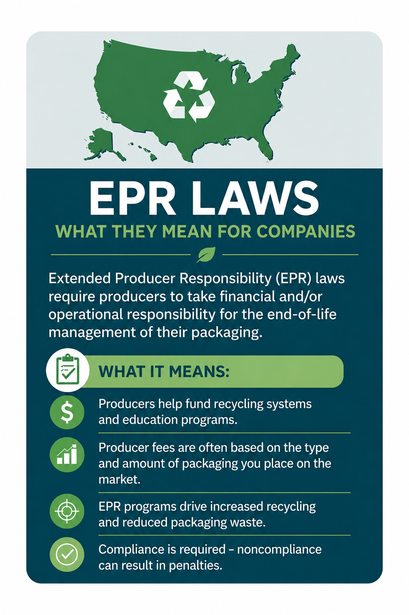
Extended Producer Responsibility (EPR) laws continue to take shape across the country, and a recent federal court decision in Oregon reinforces the need for businesses to prepare for these requirements rather than wait for every legal and regulatory question to be resolved. On August 27, a federal judge upheld Oregon’s Plastic Pollution and Recycling Modernization Act following a constitutional challenge brought by the National Association of Wholesaler-Distributors (NAW). The court rejected claims that Oregon’s EPR law violated the Dormant Commerce Clause and Due Process Clause of the U.S. Constitution, allowing the state to continue implementing its program. The decision is significant because it is the first full court ruling to test a packaging EPR law against the U.S. Constitution. While it applies specifically to Oregon and does not determine the outcome of legal challenges elsewhere, it provides another indication that companies should be preparing for EPR requirements now.
Read more: Packaging Dive, Oregon EPR law doesn’t violate Constitution, judge rules.
What Does This Mean for the Produce Industry?
For fresh produce companies, the bigger question is not what happened in an Oregon courtroom. It is what companies should be doing now.
Produce companies often operate across multiple states, use a wide range of packaging, and rely on information held by different suppliers and departments. As states develop and implement their own EPR programs, companies may encounter different definitions, exemptions, registration requirements, reporting requirements, timelines, and fees.
That complexity can add up quickly.
The Oregon decision does not mean every EPR lawsuit will have the same outcome. Legal challenges involving EPR programs in California and Colorado are still underway. But waiting for every lawsuit, regulation, and state program to be resolved before getting organized is an unnecessary risk and can leave companies scrambling when requirements take effect.
There are steps companies can take now.
Start With What You Know
EPR readiness starts with understanding your own business and packaging. Where do you sell your products? Where could you have EPR obligations? What packaging do you place into those markets? Do you know the materials and weights? Where is that information maintained? Who is responsible for gathering and updating it? What information is still missing? Answering those questions can require input from packaging suppliers, procurement, operations, sales, accounting, and other parts of the organization. Ultimately, however, the company is responsible for providing the information required for registration and reporting. That is why EPR preparation should not begin when a deadline is approaching. Companies need time to understand their obligations, gather the necessary information, identify gaps, and establish a process for maintaining packaging data.
Every State Doesn’t Need to be a New Fire Drill
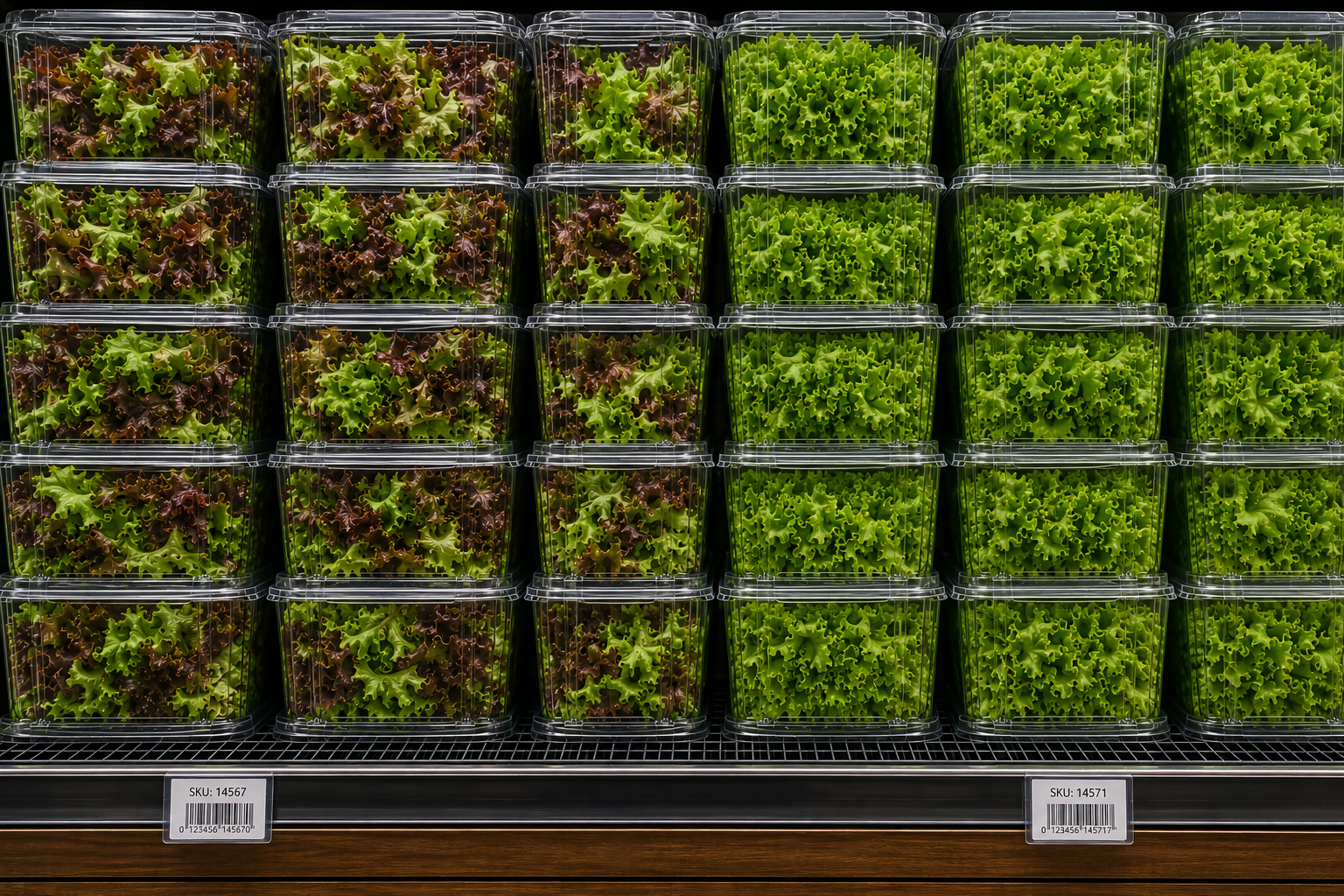
EPR requirements vary by state and will continue to evolve. But much of the underlying packaging information companies need starts in the same place.
Rather than starting from scratch each time another state requirement takes effect, companies can build a stronger internal process for collecting, organizing, and maintaining packaging information.
The goal is not to predict every future regulation. It is to establish a foundation that makes it easier to respond as requirements change and new states come online.
That is the broader takeaway from Oregon. There is still uncertainty around EPR, but there is also enough direction for companies to begin preparing.
How MTI Can Help
At Measure to Improve, we developed our EPR Readiness Solution specifically to help fresh produce companies navigate these requirements.
Your team brings the knowledge of your products, packaging and operations. MTI brings the EPR expertise and guidance to help you prepare.
We work alongside your team to understand the requirements, clarify internal roles and responsibilities, identify potential gaps, and build the internal processes needed to support EPR readiness.
The goal is not simply to get you through the next deadline. It is to establish a practical process that your team can continue to use as EPR requirements evolve.
EPR will continue to change, and more legal and regulatory developments are likely ahead. The Oregon ruling is another reason companies should not wait for every question to be settled before preparing.
Fresh produce companies do not need to have every EPR answer today. But they should be building the information, processes, and internal capacity they will need for what comes next.
Learn more about Measure to Improve’s EPR Readiness Solution and how we can support your team.