From Regenerative Practices to Market Opportunity: Why Buyer Participation Matters
A shared understanding is the first step.
Connecting grower action with market priorities is what helps move the work forward.
In our last blog, Regenerative Agriculture: Creating a Shared Understanding in Specialty Crops, we explored the need for a clearer, shared starting point for regenerative agriculture in specialty crops.
Rather than creating another definition, we identified common themes across regenerative agriculture definitions and approaches, organized them, and made them easier to understand in the context of specialty crop production.
That shared understanding matters because growers, buyers, and others across the supply chain need a clearer way to talk about regenerative agriculture. A grower may be implementing practices that support healthy soils, water stewardship, healthy ecosystems & biodiversity, or long-term farm viability, but if buyers use different language or prioritize different outcomes, the connection can easily be missed.
But shared understanding is only the starting point. The next step is understanding how grower efforts connect to market priorities.
Connecting Grower Action to Market Priorities
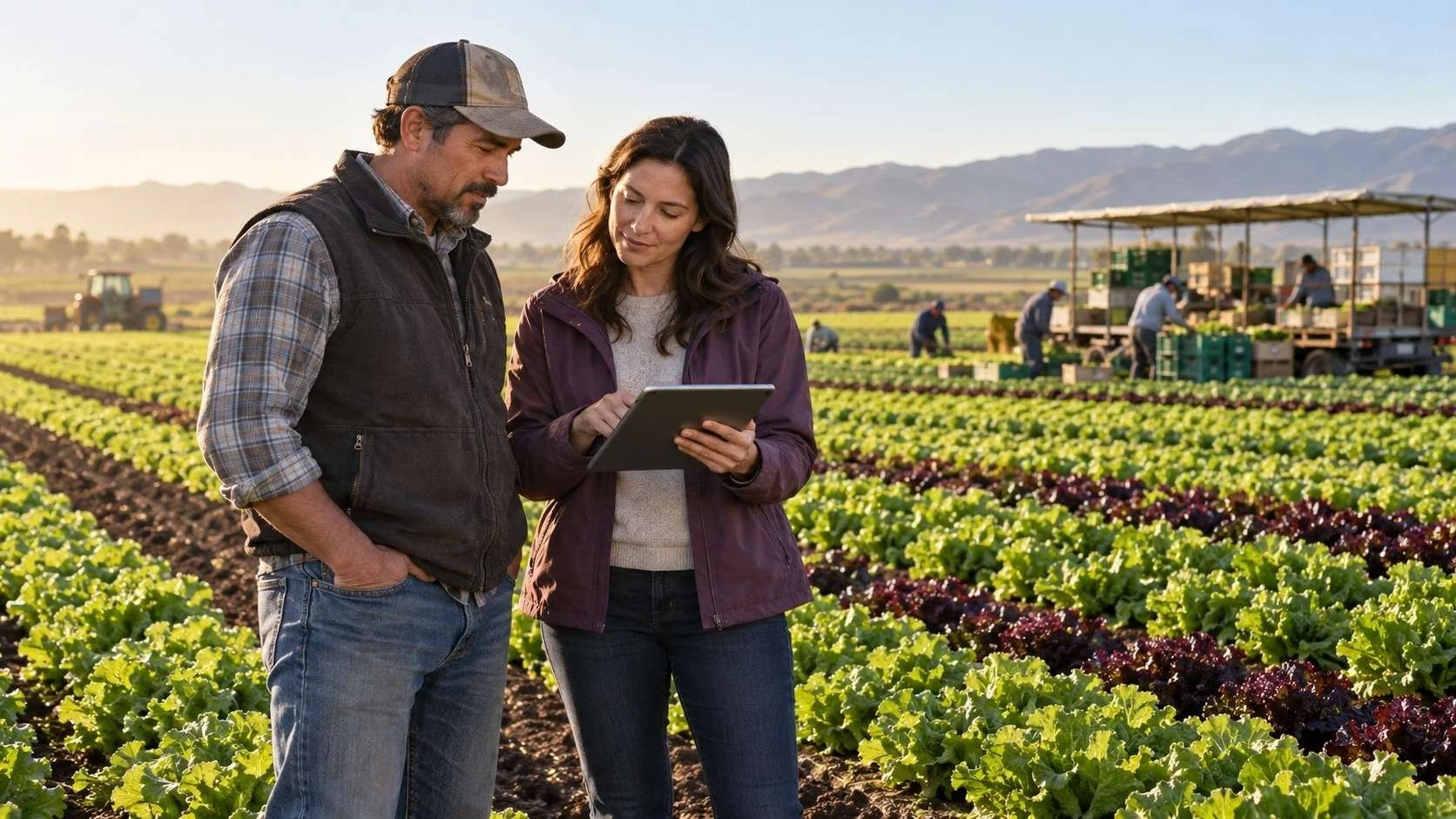
Specialty crop growers are already making management decisions and implementing practices that can align with regenerative agriculture.
Those practices may include nutrient management, efficient irrigation, soil moisture monitoring, cover crops, integrated pest management, on-farm trials and compost applications. Which practices make sense will vary by crop, region, production system and farm goals.
The challenge is that implementing practices and measuring outcomes does not automatically create market opportunities or value.
To better understand where those connections may exist, we also need the perspective of retailers and buyers.
What outcomes matter most to them? What information do they need from growers? What sustainability goals are they working toward? What kinds of data or proof points are useful? And where do they see opportunities for regenerative agriculture to create value within their supply chains?
Those are questions growers cannot answer alone.
Why Buyer Participation Matters
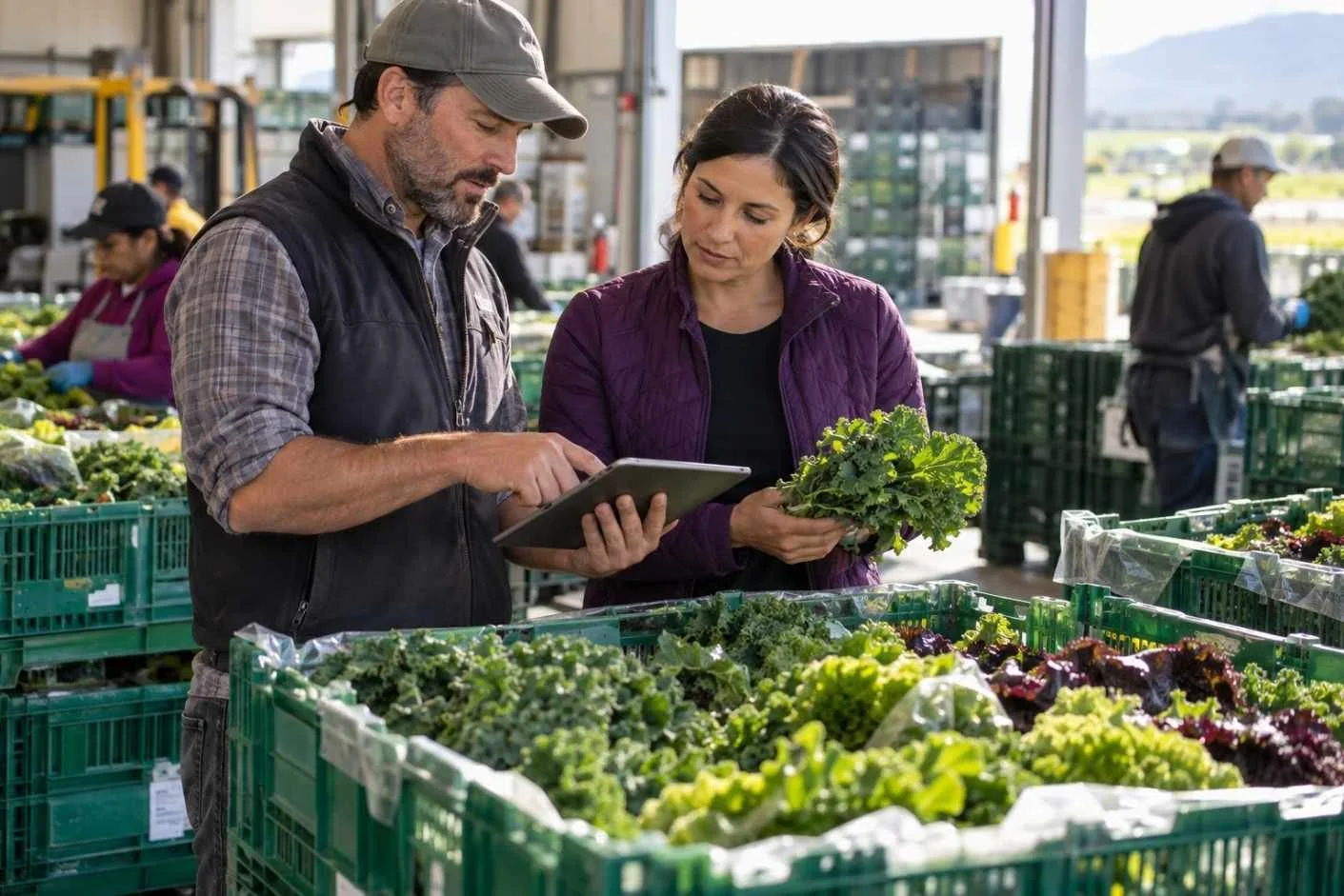
Retailers and buyers have an important role in helping the industry understand how regenerative agriculture connects to the marketplace.
Their participation can help clarify which environmental outcomes resonate with consumers, which operational outcomes matter within the supply chain, and what information buyers need from suppliers.
It can also help identify how regenerative agriculture fits within existing sustainability and sourcing goals, where grower efforts may create value, and where barriers to participation may exist.
The goal is not to ask buyers to adopt a single definition of regenerative agriculture or immediately create new purchasing requirements. It is to bring their perspective into the conversation early, before programs, measurements, or claims are developed in isolation from the market they are intended to serve.
When buyers and growers are part of the same conversation, both sides gain a clearer view of what alignment can look like. Growers can better understand what buyers are looking for, while buyers can better understand what is already happening on farms and what implementation looks like across different crops and production systems.
That does not mean every grower will use the same practices or every buyer will have the same priorities.
It means we have a better chance of developing approaches that reflect both agricultural realities and market needs.
USDA AMP Creates an Opportunity to Connect the Pieces
The USDA Advancing Markets for Producers (AMP) program provides an opportunity to bring these conversations together.
AMP is a national effort that reaches across commodities. Within that broader program, the specialty crop project led by the International Fresh Produce Association, in partnership with Measure to Improve, is working toward supporting up to 100 specialty crop growers across California and Washington as they implement regenerative practices, measure outcomes, and explore market opportunities.
That work needs both grower and buyer participation.
If growers are implementing practices and measuring outcomes, we also need to understand whether those efforts align with buyer priorities and identify opportunities to strengthen the connection between production practices and the marketplace.
What Participation Looks Like
Buyer participation does not have to be complicated.
Through the AMP buyer effort, retailers and buyers can:
Share market priorities and expectations.
Provide input on which information and outcomes matter most.
Help identify where greater alignment is needed.
Learn more about what participating growers are doing.
Stay connected to project updates and opportunities for engagement.
Build stronger relationships across the specialty crop supply chain.
The AMP Expression of Interest is the starting point for buyers who want to learn more, share their perspective, and stay connected to the project.
Moving From Understanding to Opportunity
Creating a shared understanding of regenerative agriculture helps give the specialty crop industry a common starting point. But understanding alone will not move the market.
Connecting that understanding to market opportunity requires growers and buyers to be part of the conversation together. Growers bring the experience of what is happening on the farm. Buyers bring the perspective of what the market is looking for.
Bringing those two perspectives together is how we begin to turn shared understanding into alignment, and alignment into opportunity.
Rethinking Sustainability
Every sustainability investment creates an opportunity.
The investment is often easy to measure.
The return is not.
Too often, organizations measure success by the report they submitted or the requirement they fulfilled.
The organizations creating the greatest long-term value ask a different question: How can this sustainability investment strengthen our business, improve decision-making, differentiate our brand, strengthen customer relationships, and better prepare us for what’s next?
