Fresh Picks & Sustainability Tips: April 2026
We’ve been a little quiet lately, and it’s been a few months since we sent out an issue of Fresh Picks & Sustainability Tips. It’s not because our work has slowed down, but because we have been in it.
The end of 2025 and the start of this year have been busy across the fresh produce industry, with a lot of activity around sustainability reporting, packaging regulations, and new program requirements. Much of our time has been spent helping growers and produce companies get organized as expectations continue to increase.
This year, much of our work has been supporting growers participating in the new USDA Advancing Markets for Producers project (more on that below), as well as helping companies prepare for Extended Producer Responsibility packaging requirements and the increase in greenhouse gas emissions reporting requests across the supply chain (also more on that below!).
A lot of this work happens behind the scenes, but it’s shaping how we are supporting companies across the supply chain as they prepare for what comes next. As reporting requests become more common and requirements become more defined, having the right structure in place makes a big difference.
In this issue, we have a few key updates on what we’re seeing across the industry and what we’ve been working on.
Warmest Regards,
Nikki Cossio - Founder & CEO - Measure to Improve

USDA Advancing Markets for Producers (AMP) Project
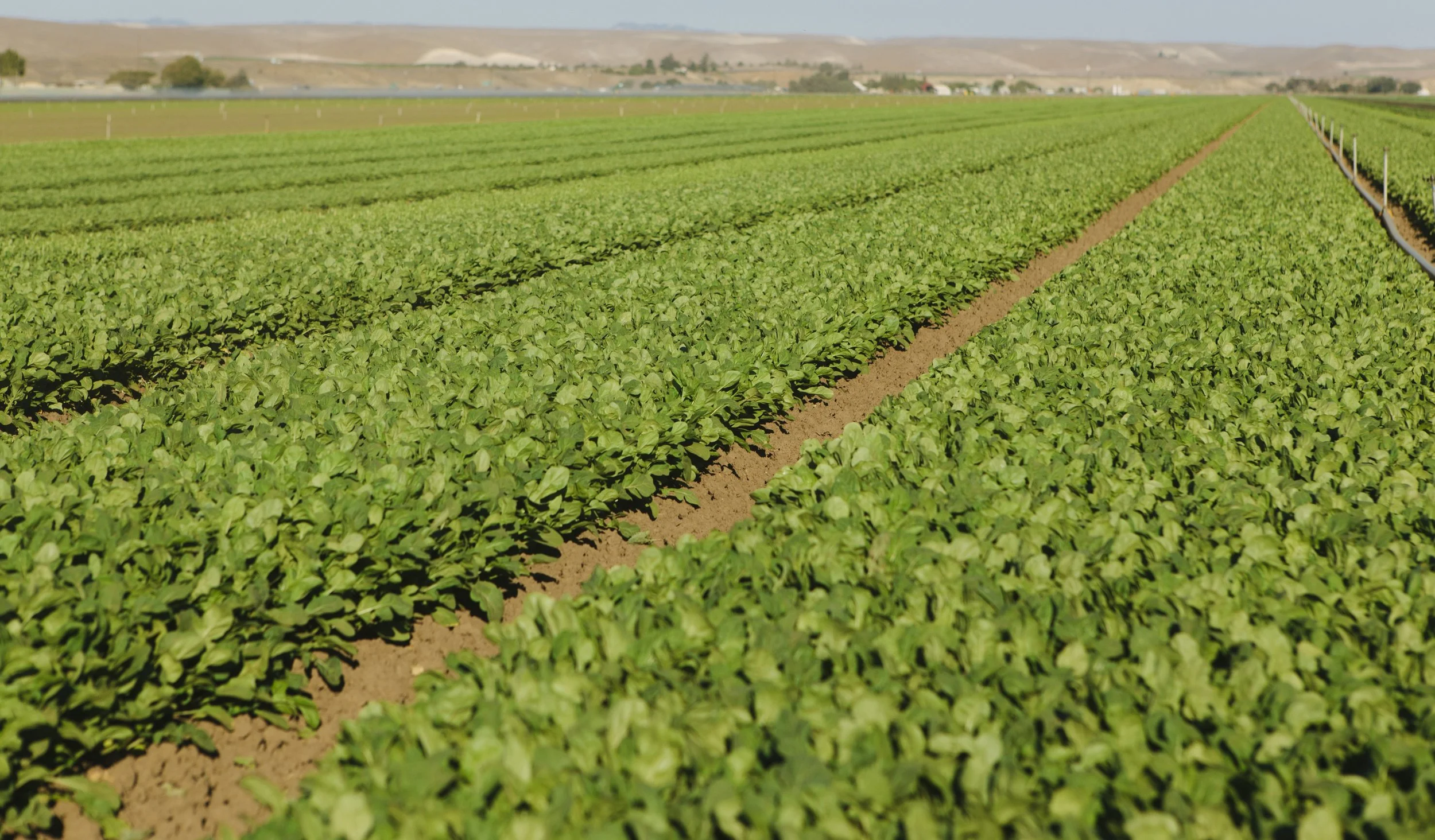
We’re excited to share that the USDA Climate-Smart Commodities initiative has returned in a revised form as the Advancing Markets for Producers (AMP) Project, with a stronger focus on growers, more practical reporting, and stronger connections between conservation practices and market value.
This project is designed to support real operations, not research. Growers receive technical assistance, financial incentives, and support documenting practices in a way that can be recognized across the supply chain. We are working directly with growers to support participation, site visits, data collection, and ongoing project requirements.
Read our full blog post for more details on the AMP project and what this new phase means for growers.
New Solutions to Support Increasing EPR and Greenhouse Gas Requirements
We’re introducing two new solutions this year designed to help the fresh produce industry respond to increasing reporting and regulatory expectations across the supply chain: the EPR Readiness Solution and the Greenhouse Gas Emissions Inventory Solution.
Extended Producer Responsibility (EPR) packaging laws have expanded to multiple states, and requests for greenhouse gas emissions data are becoming more common across the supply chain. In both cases, the biggest hurdle is often understanding what information is required, where that information exists within the organization, and how to organize it in a way that supports reporting year after year.
The EPR Readiness Solution helps produce companies organize packaging information, understand reporting requirements, and prepare internal teams for upcoming deadlines.
The Greenhouse Gas Emissions Inventory Solution helps companies build a credible, well-documented emissions inventory that supports buyer requests, sustainability reporting, and future disclosure requirements.
We’re seeing more companies start this work earlier so reporting seasons are less disruptive and teams are not trying to assemble information under tight timelines.
Learn more about these new solutions and our other offerings on our website.
If you’re starting to think about EPR requirements, greenhouse gas reporting, or how to get more organized ahead of what’s coming, we’re happy to talk through what this could look like for your operation.
Your Partner In Produce Sustainability
Though reporting has just wrapped, sustainability is year-round and Measure to Improve (MTI) is your trusted partner for navigating sustainability in the fresh produce industry.
Our team brings deep industry knowledge, practical strategies, and hands-on experience to help businesses stay competitive in an evolving landscape. From strategy and implementation to reporting and compliance, now is the time to start planning for 2026.
