Fresh Picks & Sustainability Tips: November 2025

The 2025 sustainability compliance season is officially behind us. Walmart portals closed, Gigaton submissions finalized, and THESIS wrapped. And if this year felt like a heavier lift than previous years, it’s because it was. Retailers asked for more detail, platforms were more demanding, and expectations seemed to shift right up until the deadline.
Now that submissions are in, this is the perfect moment to pause and reflect while it’s still fresh:
What worked well?
What slowed things down?
What did you need but couldn’t easily find?
And most importantly, how can next year be easier?
Our first blog dives into exactly that. It breaks down what this year taught us and outlines a few simple steps to make 2026 reporting more manageable.
At the same time, just as companies were closing out compliance season, California shifted the landscape again.
Last month, we posted our SB-253 and SB-261 blog to help clarify what’s required and what companies need to prepare before January 1. Many of you began gathering documents, identifying risks, and organizing governance details; all great work that put you ahead of the curve.
Then the news hit: SB 261 has been temporarily halted just six weeks before the first due date.
But “temporary” is the keyword. SB 261 isn’t gone, just paused while the courts work through the challenge.
The work you’ve already completed still matters, though. Retailers, buyers, and consumers are asking for the same information SB 261 requires: climate-related risks, governance, supply-chain vulnerabilities, emergency planning, and overall transparency.
So, in this month’s Tips & Tricks, we’re bringing the pieces together:
What this year’s compliance taught the industry
What the SB 261 pause really does (and does not) change
Why the work you’ve already done still carries value
How to carry your momentum into a calmer, more prepared 2026
Our goal is simple: Help you turn this year’s heavy lift into next year’s advantage.
If you’re ready to build systems proactively, instead of scrambling, and you want a clearer path into 2026, these two blogs are the perfect starting point.
Warmest Regards,
Nikki Cossio - Founder & CEO - Measure to Improve

Sustainability Compliance: What This Year’s Reporting Taught Us and Why to Start Thinking About 2026

Sustainability reporting is now a core part of doing business in the produce industry. Yet for most teams, it still feels like a sprint right up to the deadline. Every year, reporting season reveals both the challenges and the opportunities within sustainability compliance.
With this year still fresh, now is the time to assess what worked, what didn’t, and what you can do now to make next year more strategic, efficient, and valuable.
SB 253 & SB 261: Preparing for Climate Disclosures
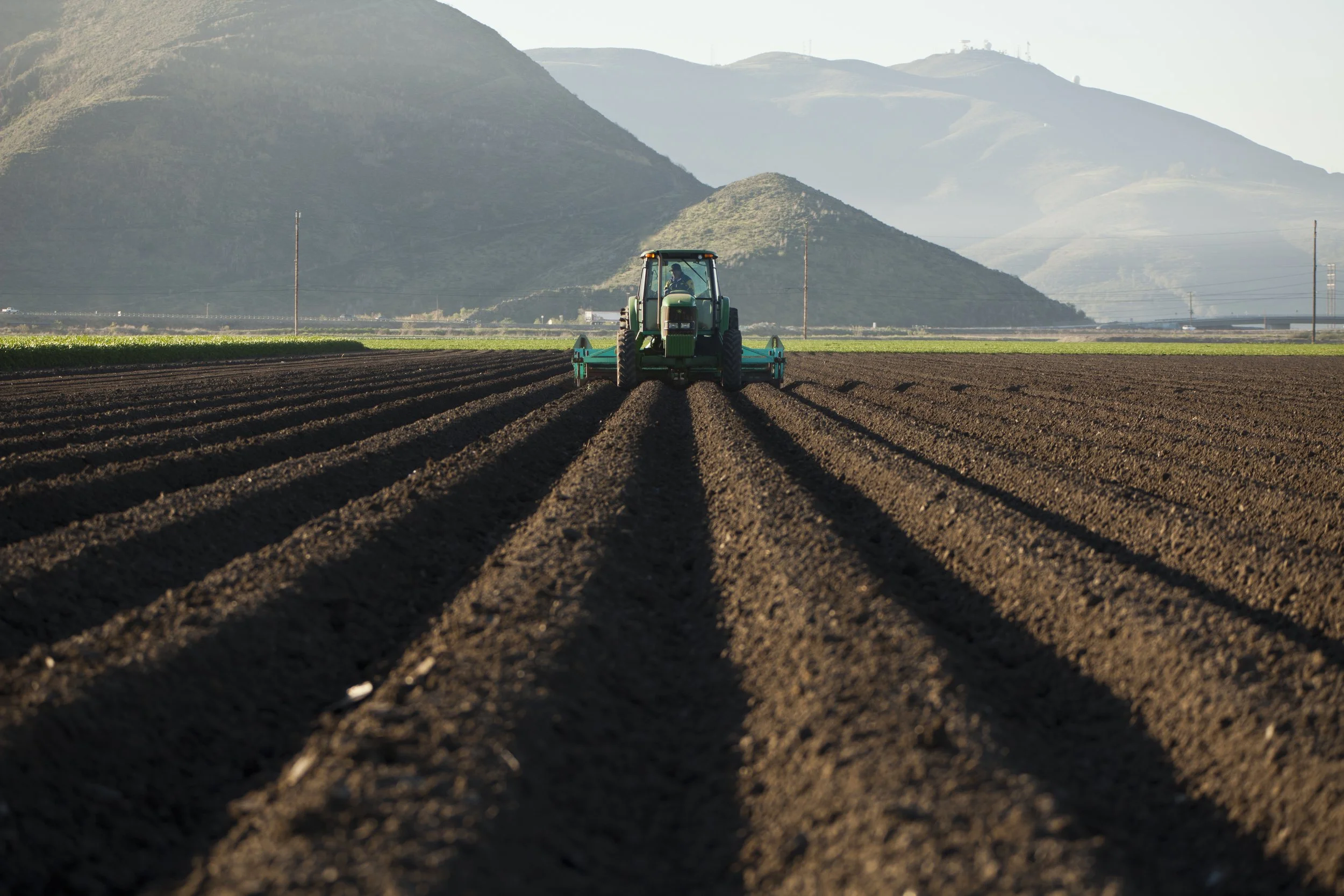
California’s new climate disclosure laws, SB 253 and SB 261, are reshaping expectations by requiring companies to publicly report greenhouse gas emissions and climate-related financial risks. The temporary pause on SB 261 doesn’t change the trajectory.
Companies that understand and prepare for these requirements now will be better positioned to stay compliant, strengthen their sustainability strategy, and lead in a tightening regulatory landscape.
Your Partner In Produce Sustainability
Though reporting has just wrapped, sustainability is year-round and Measure to Improve (MTI) is your trusted partner for navigating sustainability in the fresh produce industry.
Our team brings deep industry knowledge, practical strategies, and hands-on experience to help businesses stay competitive in an evolving landscape. From strategy and implementation to reporting and compliance, now is the time to start planning for 2026.

Upcoming Events
12/2: Small Farm Tech Expo
12/3 - 12/4: Organic Growers Summit
12/10 - 12/12: 2025 Almond Conference