Soil Health Is No Longer Optional. Here’s What We’re Seeing In The Field.
Across the produce industry, soil health is no longer just a conservation topic, it is increasingly a core business consideration.
Growers are being asked about it by buyers, and the practices that were once considered experimental are now being adopted by forward-thinking operations across California.
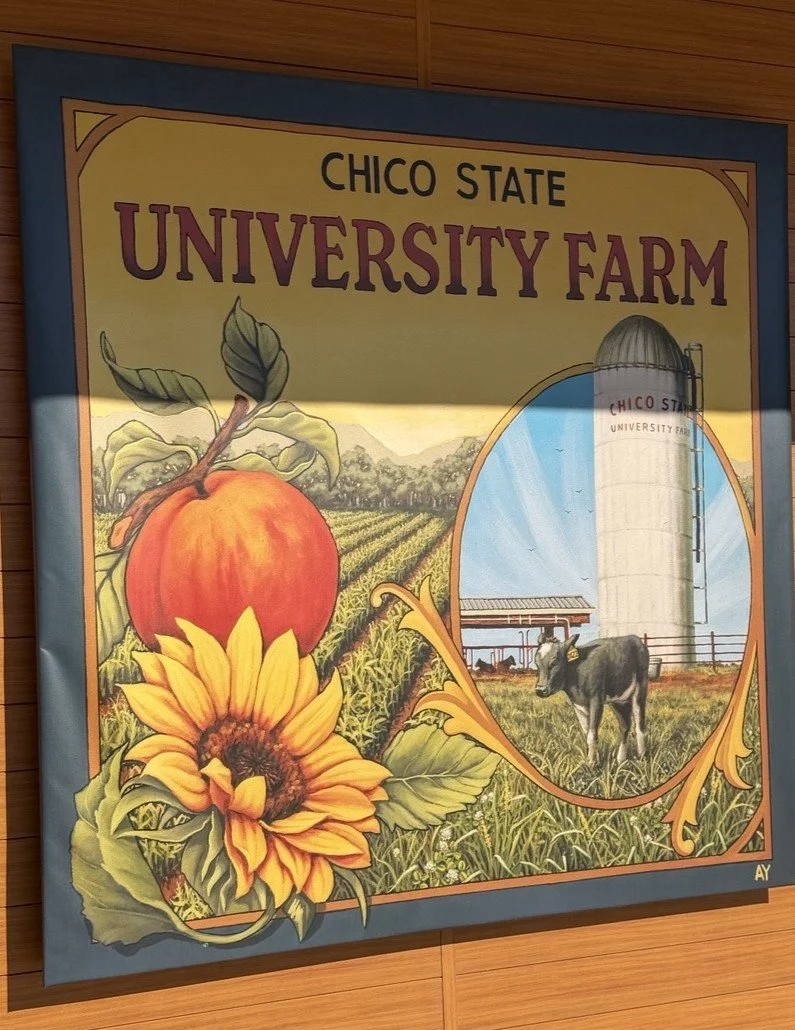
Measure to Improve intentionally stays close to this work. Through direct grower engagement and our role leading implementation under the USDA Advancing Markets for Producers (AMP) Program, we are on the ground at events like the California Soil Health Field Days at Chico State University Farm.
We are always listening, observing, and documenting what is actually happening at the field level. Here is what we are hearing and why it matters.
In this blog, we’re taking a look at soil health through the lens of Machado Family Farms.
Soil Health Is Not Just a Program
At the California Soil Health Field Days, orchard manager Drew Cheney of Machado Family Farms shared their approach to soil health. He described it not as a program to adopt, but rather a system to understand.
“What are we doing, and why? Only after those answers are clear does the ‘how’ come
into focus.” — Drew Cheney, Machado Family Farms
Before implementing any practice, Drew challenges assumptions and asks fundamental questions about context. No two farms are the same differences in soil type, climate, equipment, and economic realities, which mean that best practices are only as good as their fit to the operation. Every decision carries ripple effects, and a solution implemented today can create unintended challenges down the road.
His core principles reflect that thinking:
• There is no single “right” practice; what works depends on the operation
• Every decision has trade-offs that need to be managed
• Results need to be observed and adjusted over time, not assumed
This is not a new farm. Machado Family Farms has been building toward this system for seven years, and the outcomes reflect that sustained commitment. That context matters when evaluating what is possible and how long it realistically takes to get there.
Practices We Are Seeing
Cover Crop Diversity Is Reducing Input Dependence
Maintaining soil cover and using diverse plant mixes improves soil structure, water retention, and biological activity. Moving away from monocultures, even within cover crop systems, supports beneficial microbes and insects, which in turn reduces the need for chemical interventions. Over time, that biological balance begins to do work that inputs previously had to do.
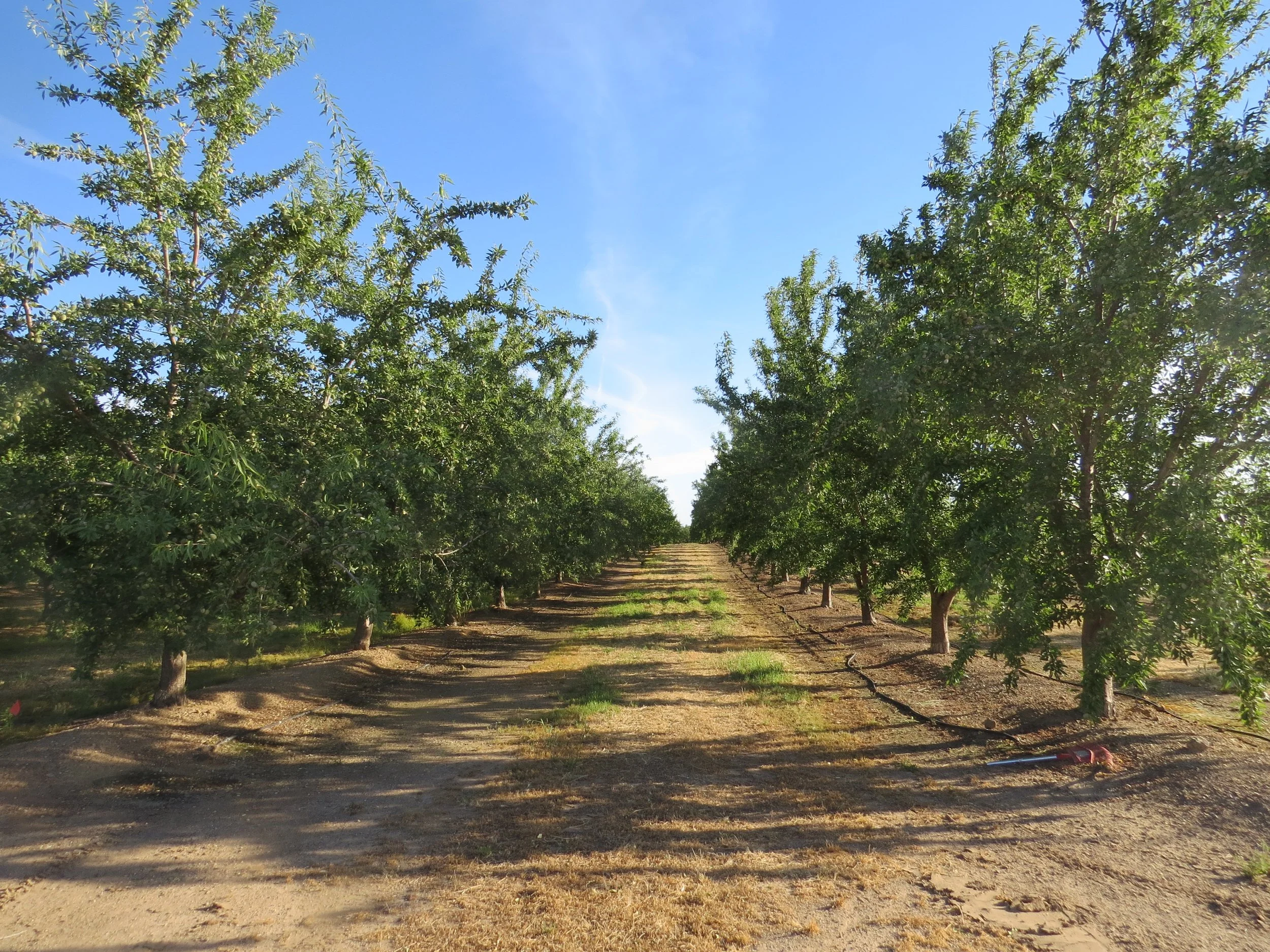
At Machado Family Farms, this approach has reduced pesticide applications from four or five per season to one. That outcome did not happen in year one. It is the result of years of building soil biology intentionally. The trade-off is real, however. Added biomass creates operational challenges around harvest timing, and each season requires adjustment. Adaptive management is not optional. It is the job.
Soil Health And Water Efficiency Move Together
Healthier soils retain moisture more effectively, enabling longer irrigation intervals and greater efficiency overall. In areas where water availability is both limited and unpredictable, this connection between soil investment and water performance is one of the clearest return-on-investment arguments available to growers. It also positions soil health not as an environmental initiative, but as an operational one.
Grazing Integration Is Accelerating Soil Health
One of the more significant developments we are tracking is the integration of sheep grazing in walnut orchards. Sheep rapidly break down cover crop biomass and accelerate nutrient cycling. Nitrogen tied up in plant material can become available two to four years sooner compared to traditional termination methods. In walnut production, where cover crop termination timing intersects directly with hull split and harvest, that kind of acceleration is operationally meaningful.
“Cover crops are great, but if you can add animals, you’re multiplying the benefits. We’re seeing four times the nutrient cycling.” — Vince Arburua, Grazing Partner at Machado Family Farms
That outcome—four times the nutrient cycling—was documented through the grower-grazer partnership at Machado Family Farms. It reinforces what the California Soil Health Field Days made clear: the compounding effects of integrated systems outperform single-practice approaches, and the operations investing in that complexity now are building a durable advantage.
Profitability, Not Yield, Is Becoming the Benchmark
A lower-yield system with meaningfully reduced input costs can outperform a higher-yield system that depends on expensive external inputs. That shift in how growers are measuring success is becoming more common, especially in crops like walnuts, where margins are tight.
“I look at this from the basis of health—that includes the health of our business,
employees, community, and industry.” — Drew Cheney, Machado Family Farms
That framing captures something important. Sustainability is not a values statement. It is a business strategy.
Sustained Engagement and Collaboration Matter
This is just what we saw from one field day. Over time, sustained engagement across multiple events, multiple seasons, and multiple conversations builds something valuable: documented intelligence about what is actually working and why.
This is what the USDA AMP Program is designed to support. The goal is not to introduce practices growers have not heard of. It is to create the structure around what they are already doing, supporting implementation, capturing field-level outcomes in a practical way, and translating that on-farm experience into information the broader industry can recognize and build on.
Measure to Improve’s role in AMP is grower-facing implementation. That means we are present at events like the California Soil Health Field Days not just to observe, but to help connect what growers are doing on the ground to the documentation and market structures that create value beyond the farm gate. The supply chain is asking for this. The question is whether the industry is building the infrastructure to deliver it.
Want to understand where your operation stands?
Measure to Improve works exclusively with the fresh produce and agriculture industry. We help growers, shippers, and processors turn on-farm sustainability efforts into credible programs that support buyer expectations, reduce risk, and create measurable value.