Insights from Measure to Improve | Special Edition
Insights and Takeaways from the Global Produce & Floral Show
Message from the CEO
What a week in Orlando!
The Global Produce & Floral Show brought together growers, buyers, industry partners, and longtime friends for some valuable conversations about the future of fresh produce. It was an opportunity to reconnect, make new connections and hear firsthand what is happening across the industry.
For Measure to Improve, regenerative agriculture was a major focus. Throughout the week, we heard examples of what organizations are already doing, the challenges of applying practices across different growing systems, and questions about how to better connect those efforts with marketplace expectations.
One takeaway stood out: The industry is taking action on regenerative agriculture, but there is still work to do to create shared understanding, document progress, and connect grower efforts with market opportunities.
These are the same challenges we're working to address through our regenerative agriculture resources and the USDA Advancing Markets for Producers (AMP) project.
In this special edition, we're sharing some of what we heard, resources to help move the conversation forward, and a few favorite moments from Orlando.
To everyone we connected with, thank you for a great week!
Nikki Cossio
Founder & CEO
Measure to Improve

What We Heard on the Show Floor
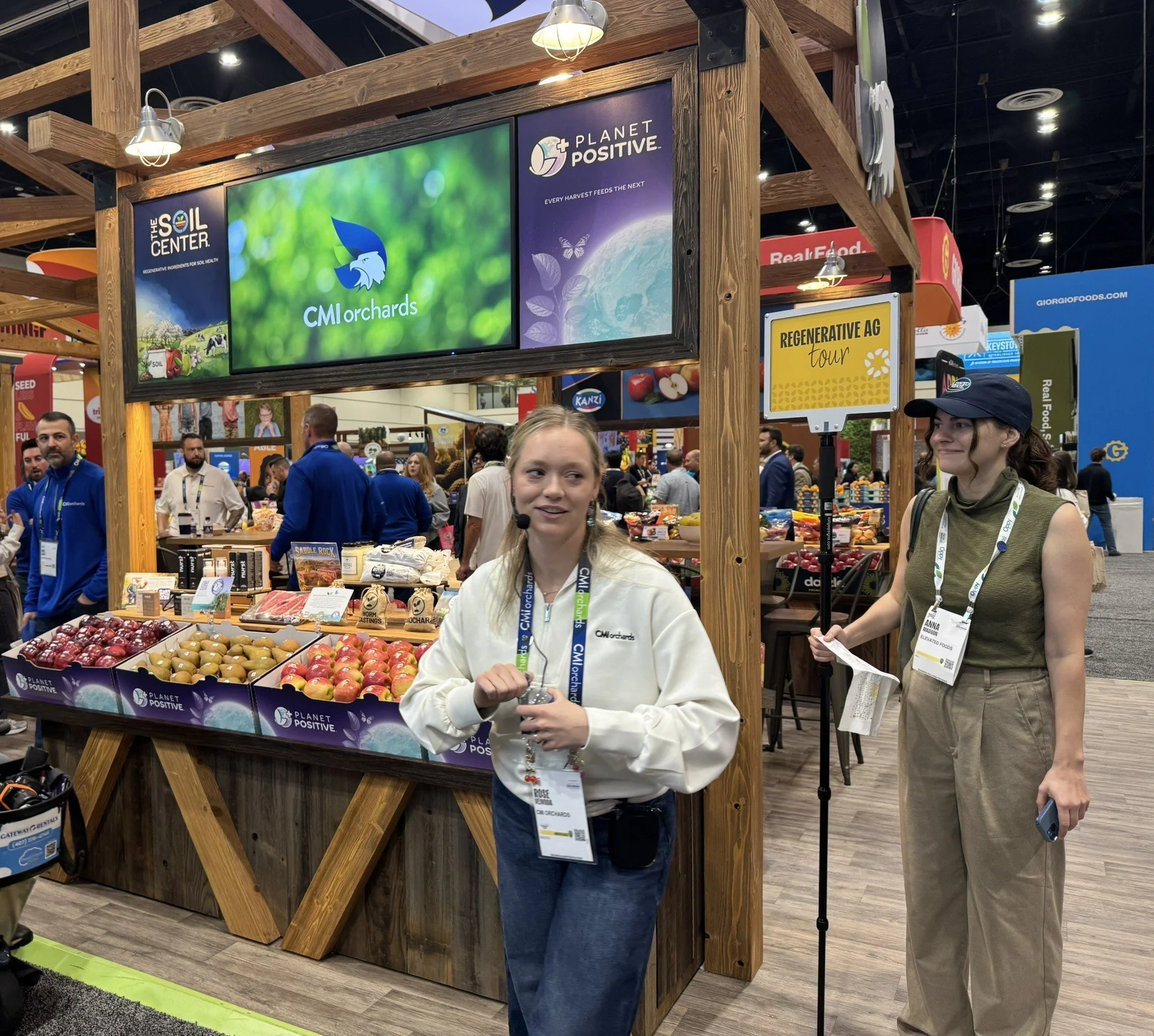
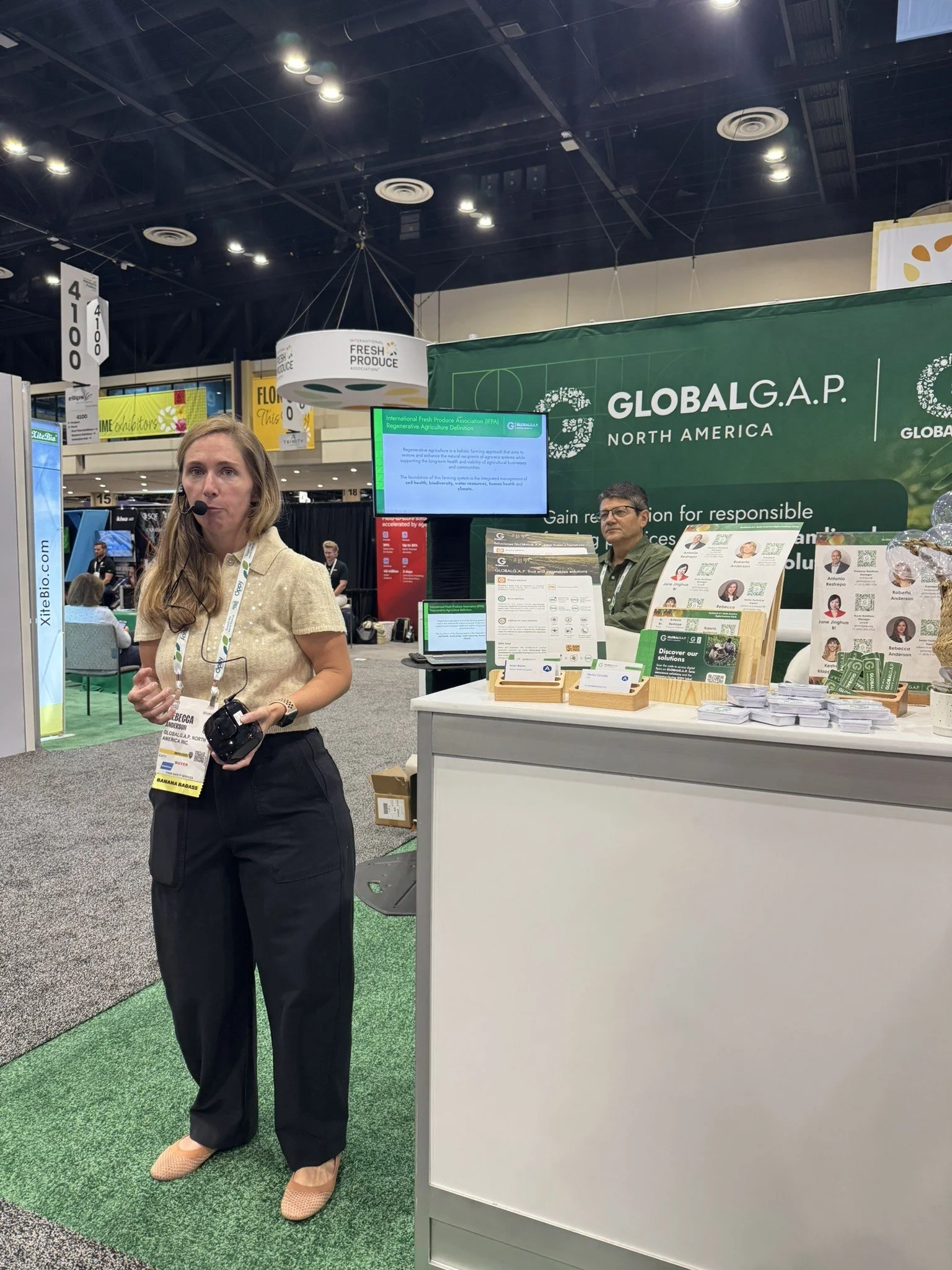
One of the highlights of the week was the Regenerative Agriculture Tour on the show floor, where exhibiting organizations shared how they are putting regenerative agriculture into practice, the programs and initiatives they are working on, and the opportunities and challenges they are experiencing along the way.
While the approaches varied, several themes emerged.
Different growing systems call for different approaches
CMI Orchards shared how they are turning agricultural byproducts, including orchard trimmings, culls, and manure, into valuable soil amendments such as compost, worm castings, and biochar that can be returned to their orchards to support soil health.
Naturipe Farms shared how its growers are incorporating regenerative agriculture practices, including cover cropping, reduced tillage, and composting, to support soil health, biodiversity, and long-term farm resilience. They also highlighted their work with growers pursuing regenerative certifications.
The Little Potato Company growers use cover crops, crop rotations, soil moisture monitoring, and, where practical, direct seeding and fall rye to support soil health and reduce erosion. Legume rotations can add nitrogen to the soil, and fields generally have several years between potato crops. Reducing tillage remains a challenge in annual crop production. The company set a goal of 100% IPM-certified acres by 2025 and participates in the Potato Sustainability Alliance.
These examples reinforced that regenerative agriculture is not defined by a single practice or approach. What makes sense depends on the crop, growing region, production system, and farm goals.
Regenerative agriculture is more than soil health
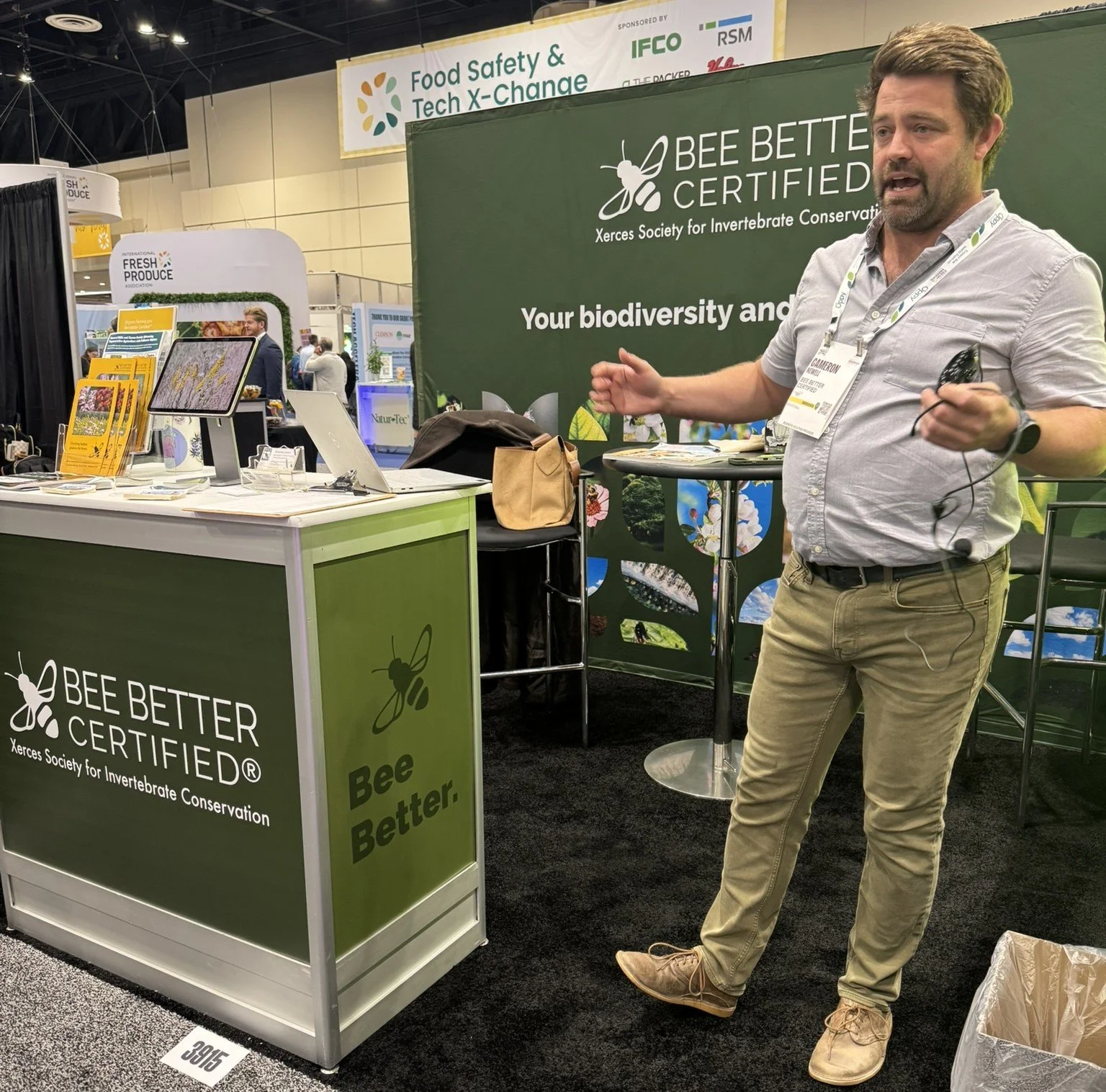
The Xerces Society highlighted their Bee Better Certified Program and shared examples of how establishing pollinator habitats and using integrated pest management (IPM) can support biodiversity and contribute to regenerative agriculture.
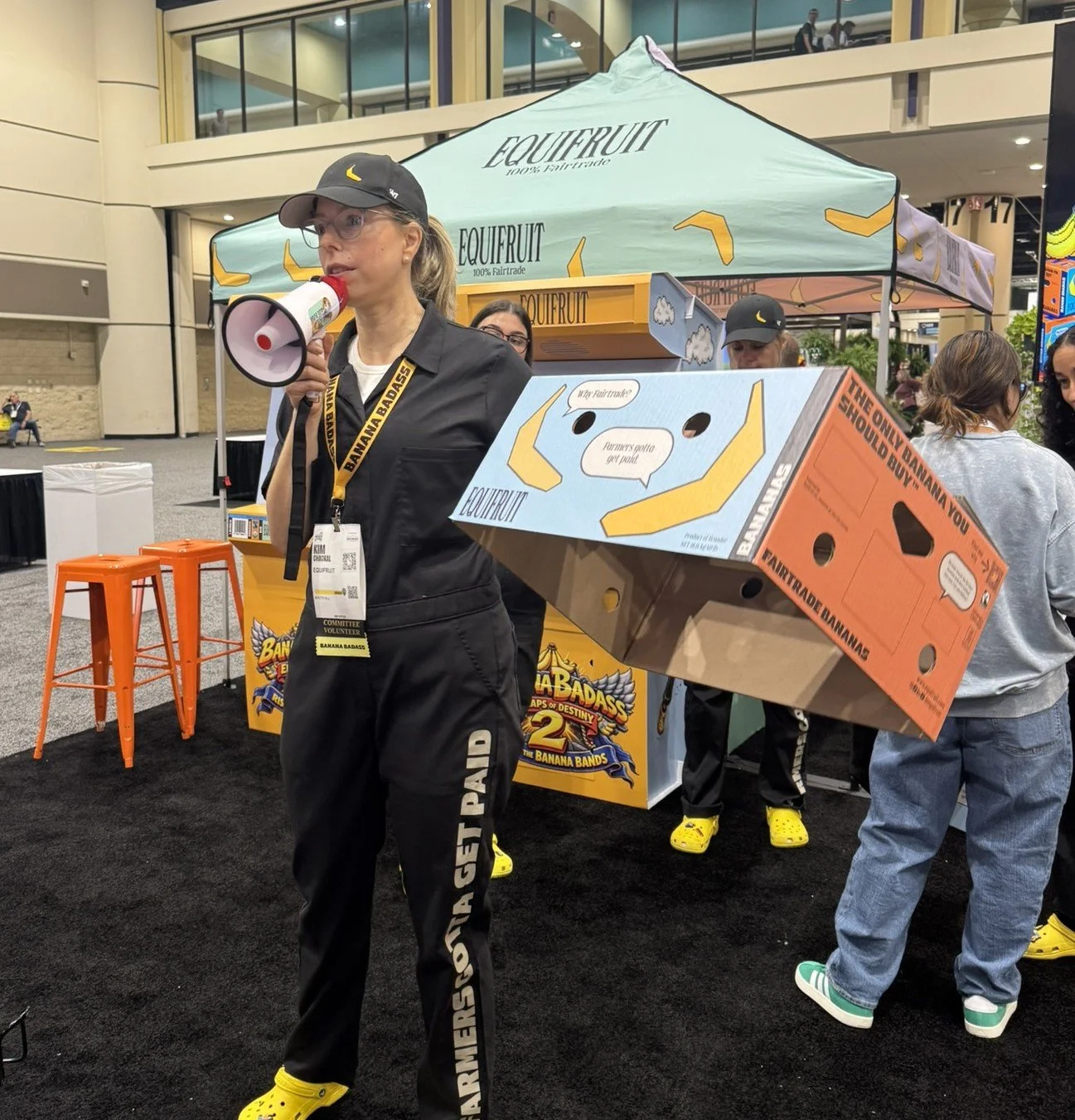
Equifruit shared how Fairtrade sourcing, farmer livelihoods, and clear communication with consumers fit into its approach to sustainability.
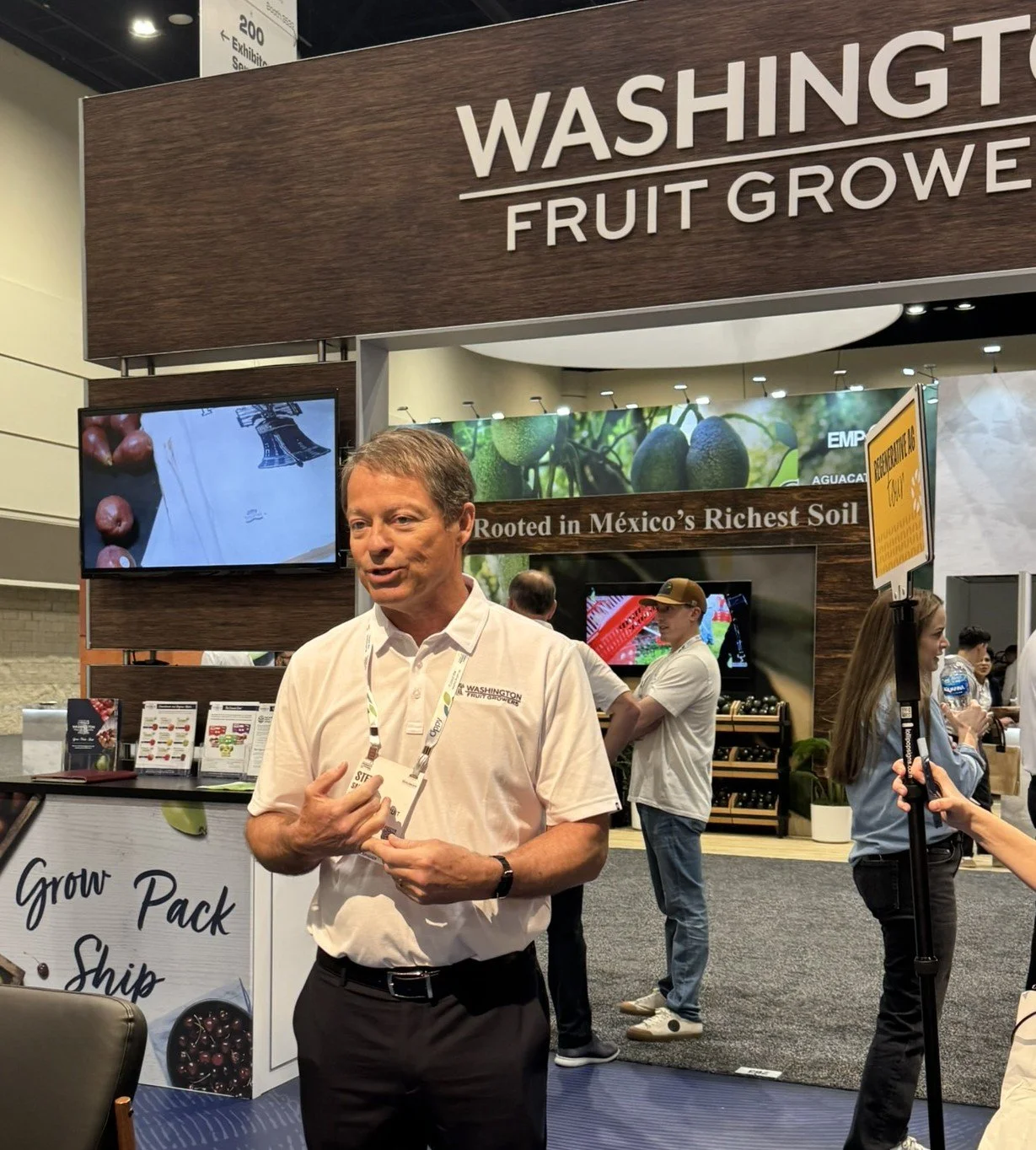
Washington Fruit discussed its work toward regenerative organic certification, the challenge of applying approaches across different growing systems, and workforce considerations.
These perspectives demonstrated how regenerative agriculture can be more than just building soil health. It can include biodiversity, farm resilience, people and communities.
Measuring and demonstrating progress matters
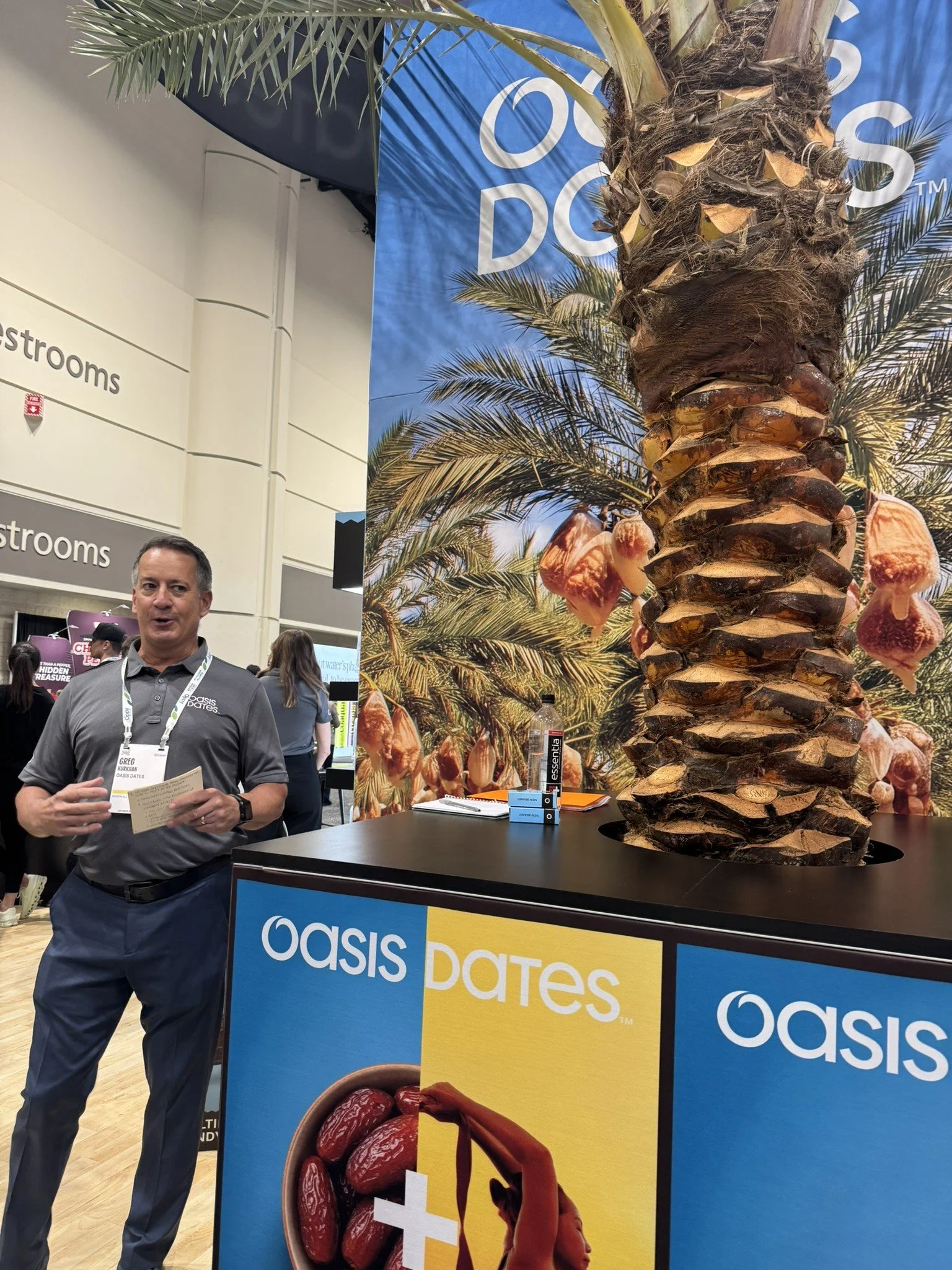
Oasis Dates shared its experience with Regenerative Organic Certification in date production.
GLOBALG.A.P. pointed to the work already addressed through farm assurance programs, including water and nutrient management, biodiversity, and integrated pest management.
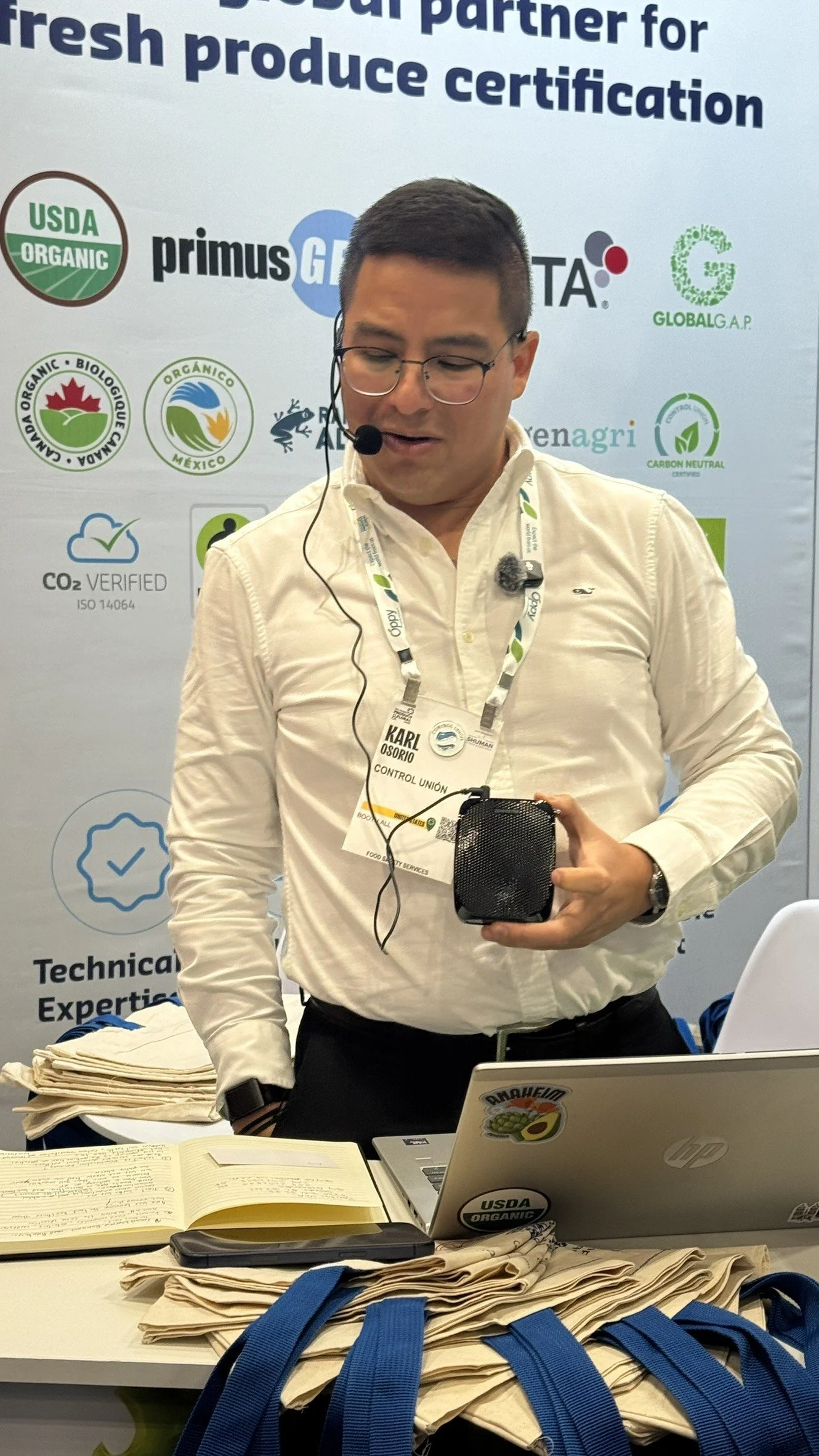
Control Union brought a certification and verification perspective to the conversation.
Together, these perspectives reinforced that implementing regenerative practices is only part of the equation. Documenting those efforts, measuring changes over time, and having credible ways to verify and communicate progress are also important.
Our Resource for Making Sense of Regenerative Agriculture
The conversations in Orlando reinforced why Measure to Improve has been working to create a clearer, shared understanding of regenerative agriculture in specialty crop production.
With so many definitions, programs, and certifications, it can be difficult to understand how different approaches relate to one another.
This is why we developed our Regenerative Agriculture in Action visual guide; to help organize common themes across existing regenerative agriculture approaches and show how they can apply to specialty crops.
Rather than introducing another definition or standard, the resource connects practices, common themes, and potential outcomes across three broad focus areas: Stewarding Natural Resources, Supporting Resilient Farms, and People and Community Well-Being.
It's a practical starting point for conversations among growers, buyers, and others across the specialty crop supply chain.
From the Farm to the Marketplace: Continuing the AMP Conversation
The regenerative agriculture conversation continued at the Innovation Hub during the Regenerative Ag IRL Tech X-Change session, where we participated alongside IFPA.
The discussion drew on experience from the USDA Advancing Markets for Producers (AMP) project, a partnership between IFPA and Measure to Improve which supports specialty crop growers in California and Washington as they implement conservation practices, document progress and explore opportunities to connect their efforts with the marketplace.
Through AMP, MTI leads grower-facing implementation and technical support, working directly with growers on practice planning, documentation, measurement and ongoing project coordination.
But supporting implementation is only part of the equation.
During the session, Michael Barker of FruitNet Media raised an important question: Should buyers and supermarkets do more to align sustainability expectations and help advance regenerative agriculture?
It's an important question because growers implementing regenerative practices and documenting their progress does not automatically translate into market value. And that’s what we've been exploring through the USDA AMP project.
Buyers have sustainability priorities, information needs, and customer expectations. Growers face real production costs, operational challenges, and financial risks.
Connecting those perspectives requires participation from both sides.
Buyers: Let's Keep the Conversation Going
Through AMP, we're working to better understand how grower efforts can connect with marketplace priorities. That means learning what information buyers find most useful, where their expectations align with existing farm practices, and what barriers may stand in the way of greater market recognition.
If you're a retailer or buyer interested in regenerative agriculture, we want to hear your perspective.
Contact AMP@MeasuretoImprovellc.com to learn how to participate in the conversation or complete the AMP Expression of Interest.
Read: From Regenerative Practices to Market Opportunity: Why Buyer Participation Matters
Celebrating 100 Years of Duda Farm Fresh Foods
There were plenty of memorable moments beyond the regenerative agriculture conversations.
One of our favorites was joining the celebration of Duda Farm Fresh Foods' 100th anniversary, complete with a flash mob at the booth!
Congratulations to the Duda team on an incredible milestone and a century in the produce industry.
A Few Favorite Moments from Orlando
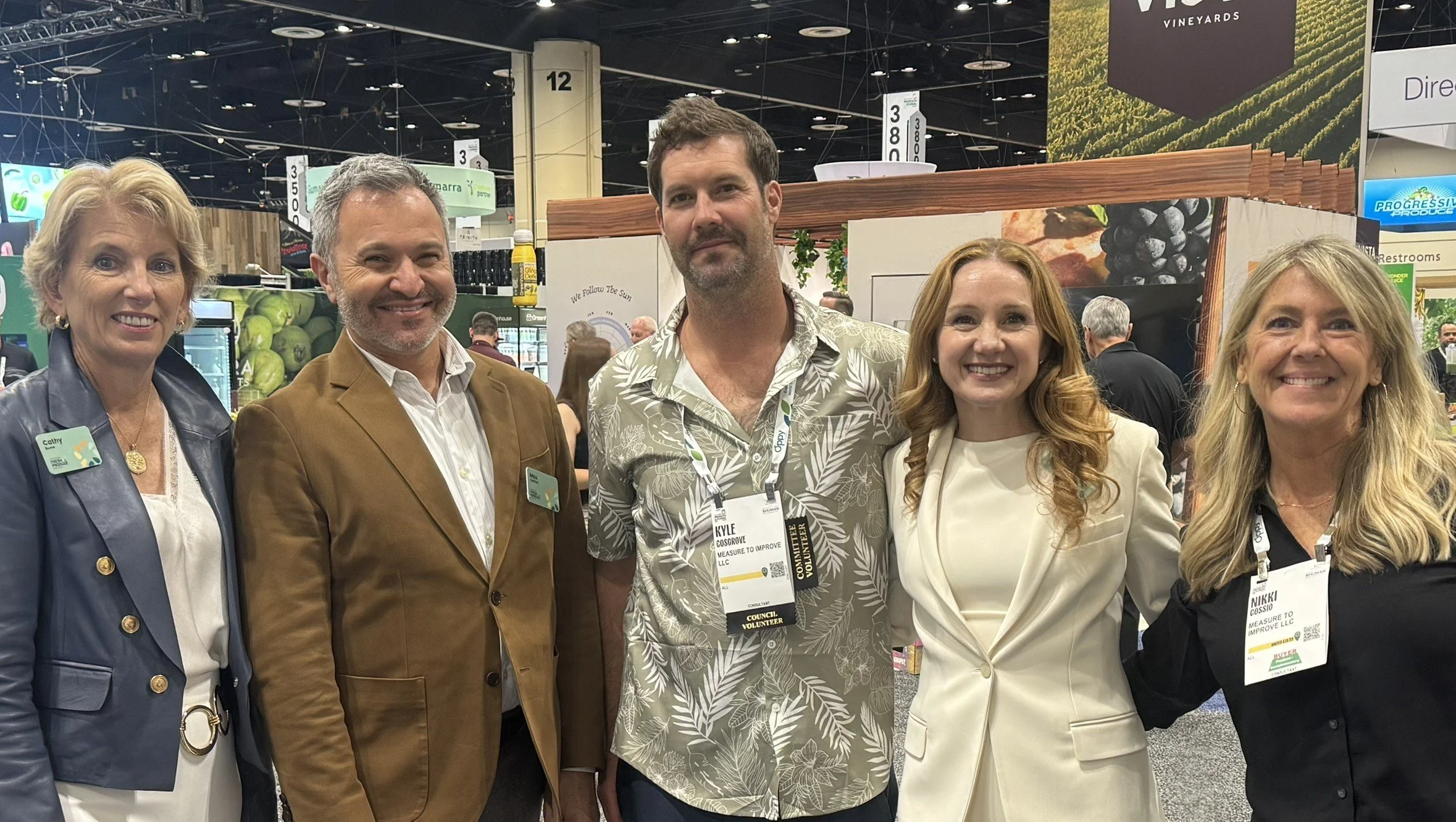
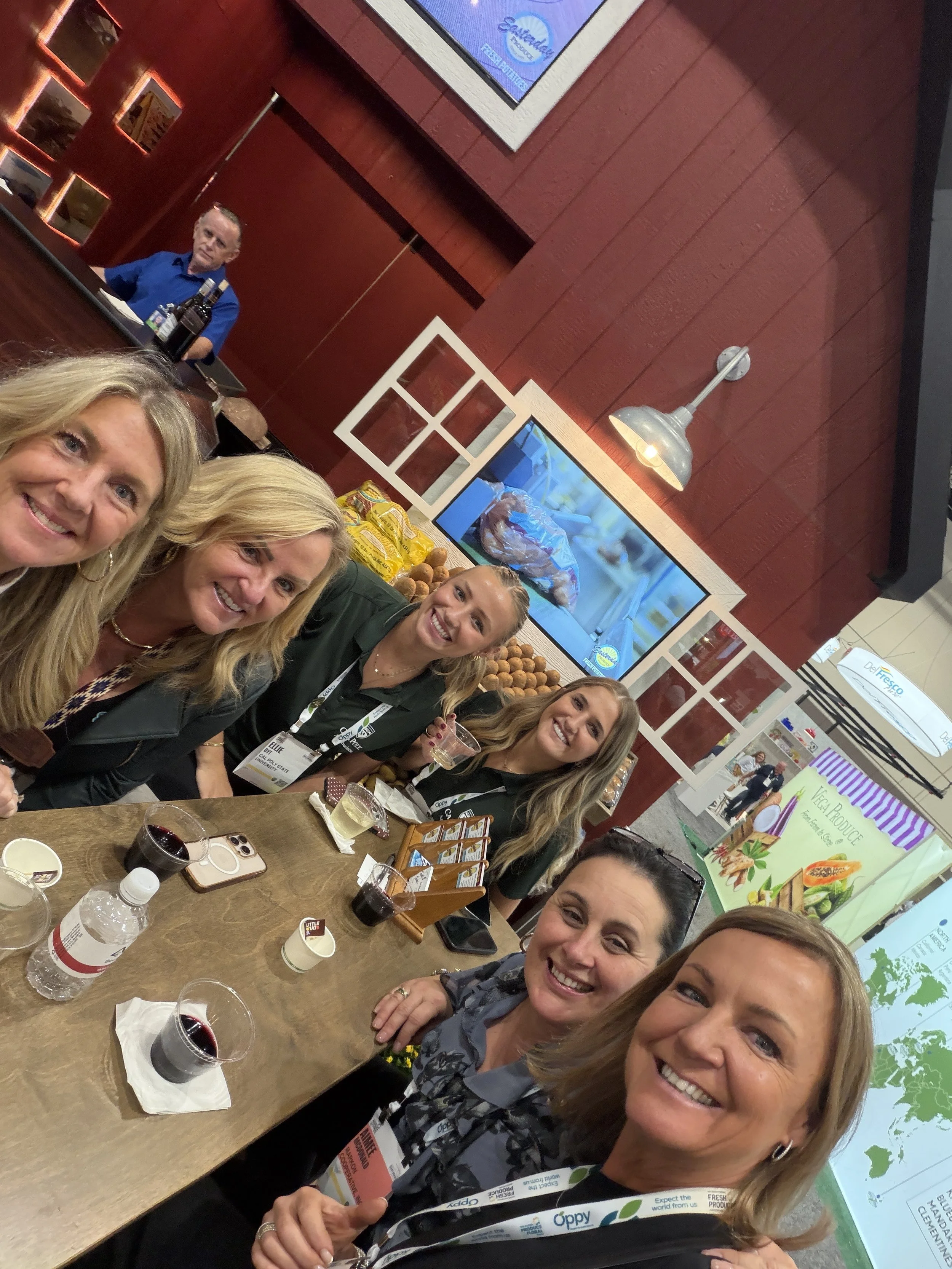
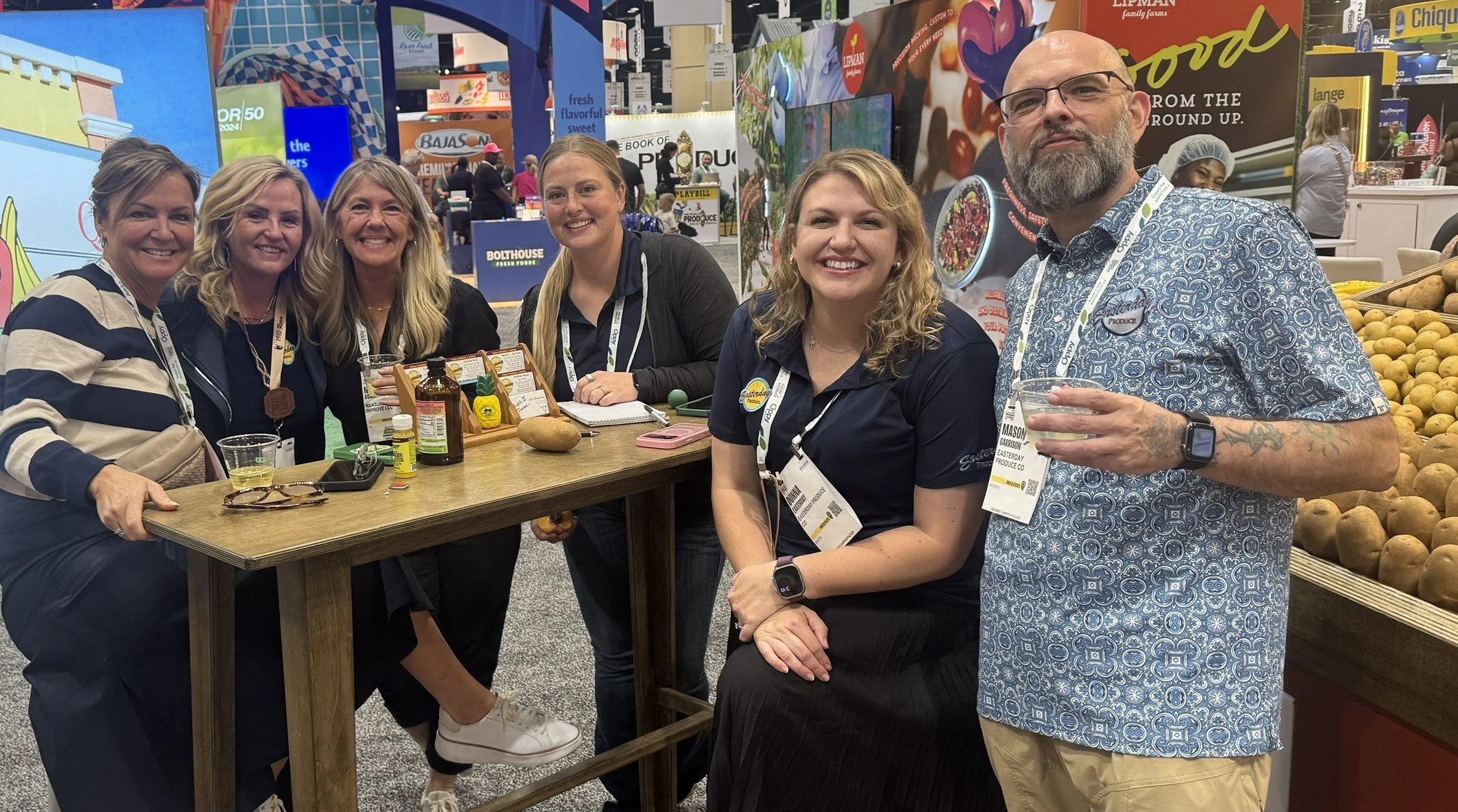
There was also plenty of time to catch up with longtime friends, make new connections, and share. Of course, the Global Produce & Floral Show is also about the people who make this industry what it is.
We enjoyed reconnecting with longtime friends and colleagues, making new connections, and sharing some memorable moments throughout the week.
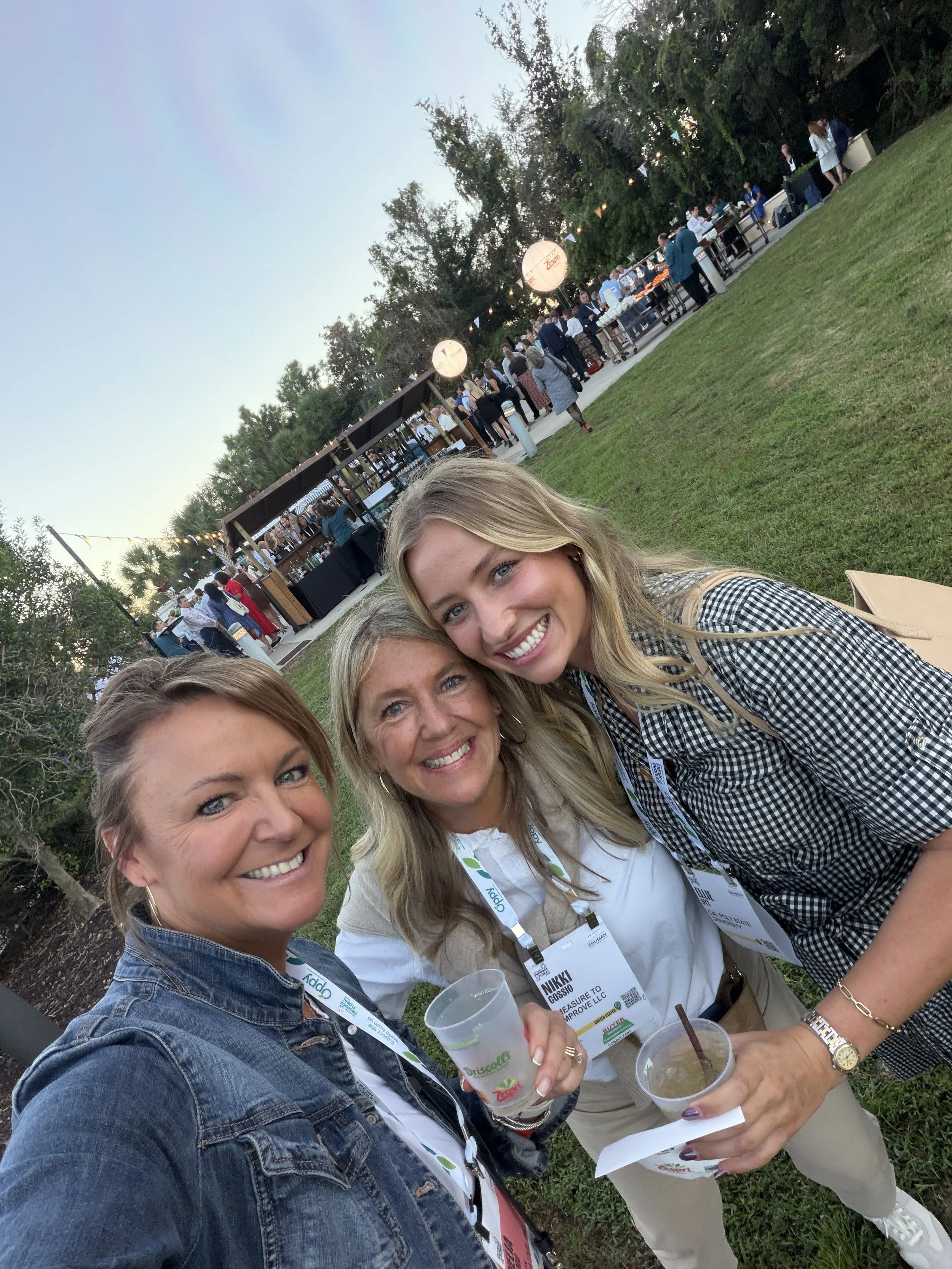
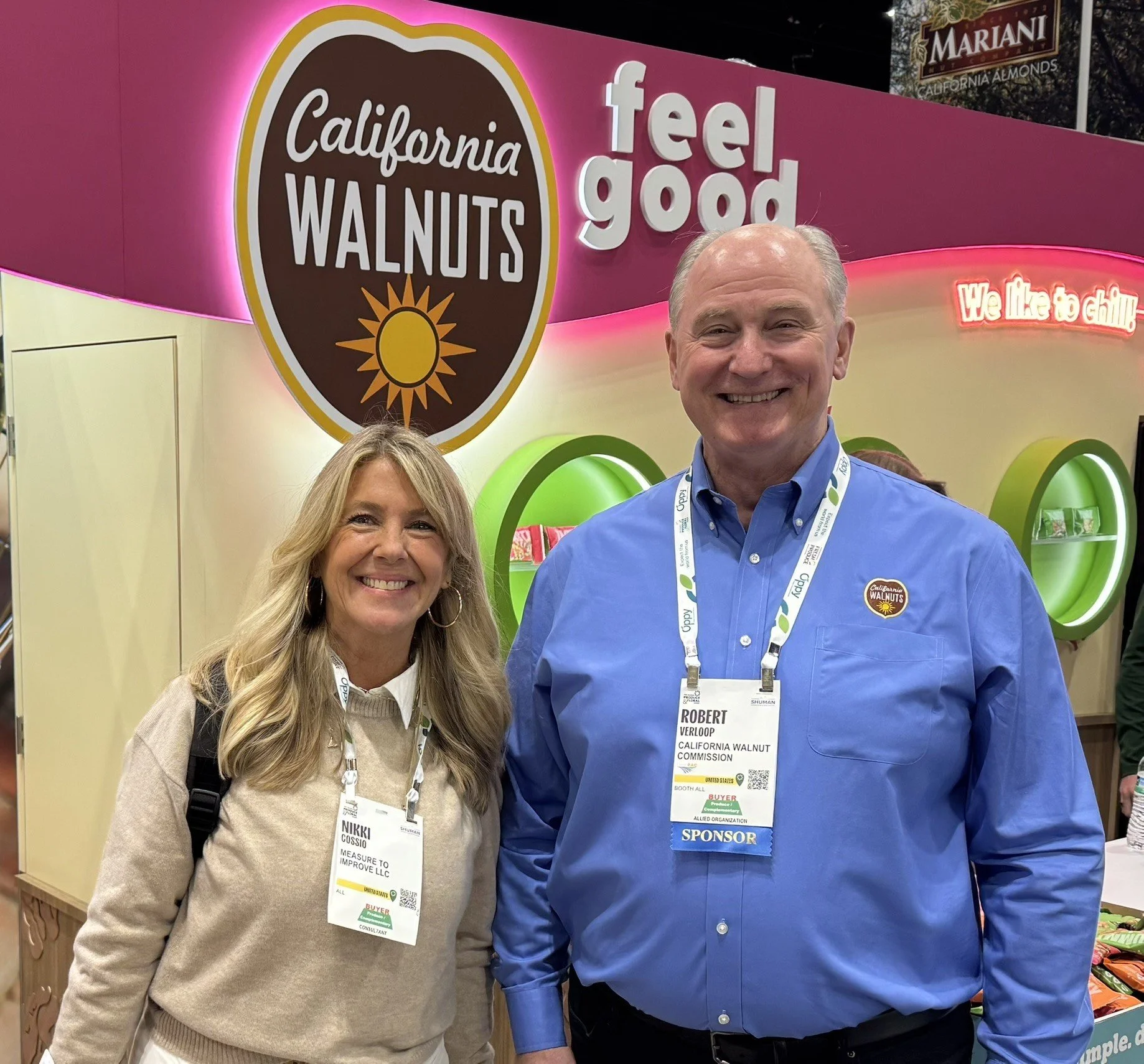
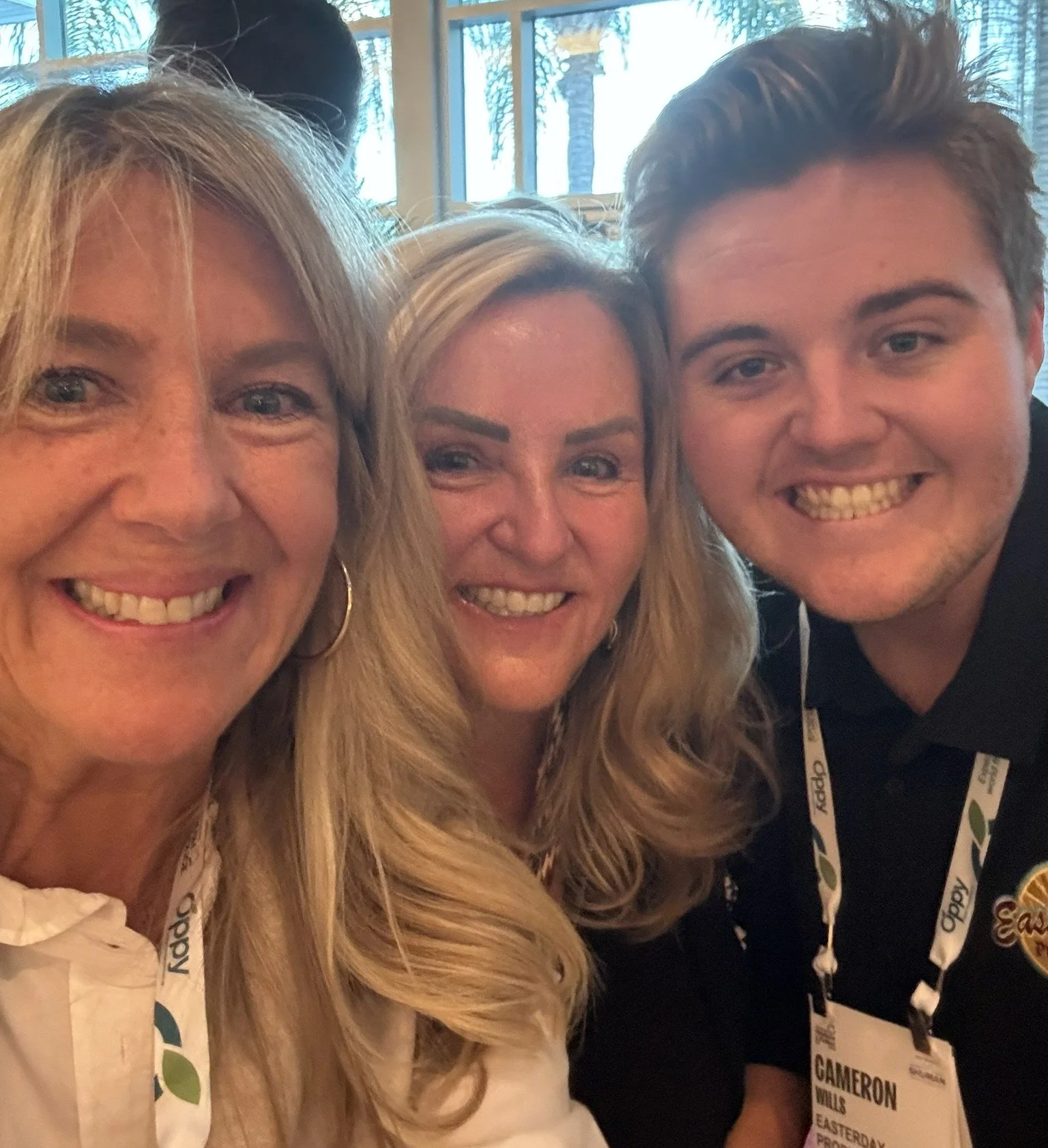
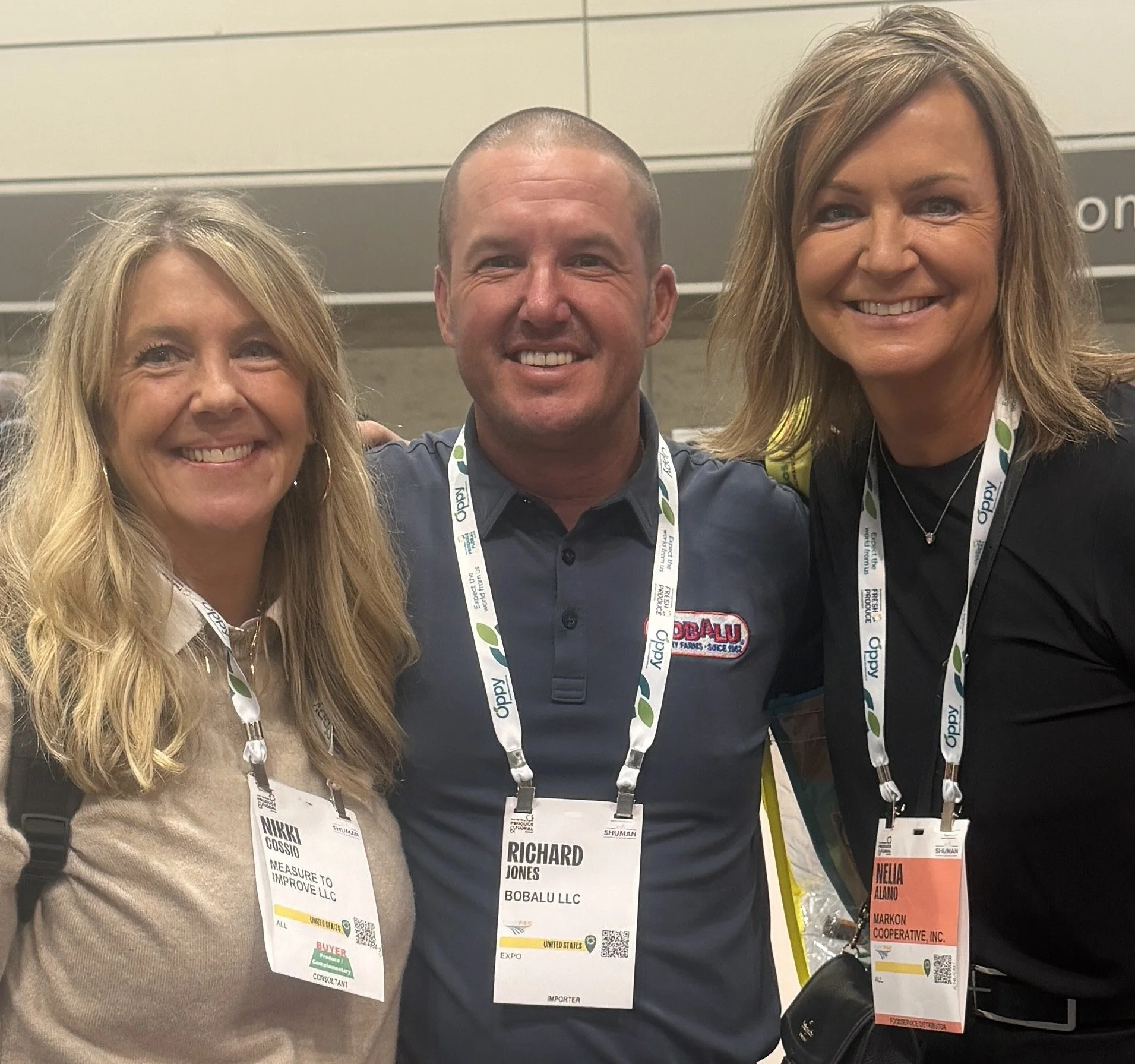
Thank you to everyone who made this year's show such a success. We're looking forward to continuing these conversations and building on the momentum from Orlando.
The Measure to Improve Team