
News & Insights
Insights from Measure to Improve | Special Edition
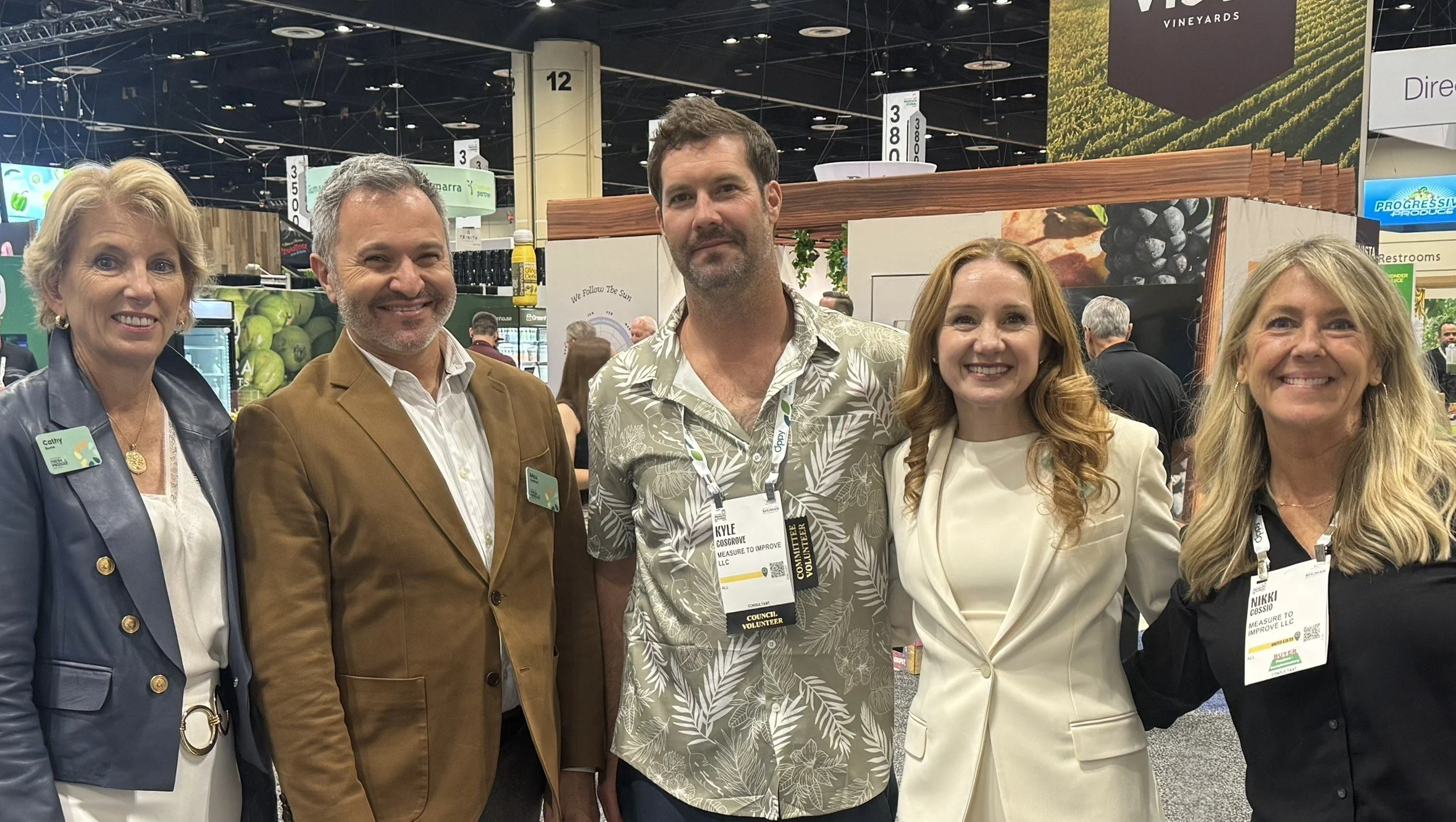
The Global Produce & Floral Show brought together growers, buyers, industry partners, and longtime friends for some valuable conversations about the future of fresh produce. It was an opportunity to reconnect, make new connections and hear firsthand what is happening across the industry.
In this special edition, we're sharing some of what we heard, resources to help move the conversation forward, and a few favorite moments from Orlando.
SUSTAINABILITY IS CHANGING, BUT THE NEED FOR EXPERTISE ISN’T
For many fresh produce companies, the question is no longer whether sustainability matters. It is how to build the capacity to manage it effectively.
Budgets tighten, roles shift and teams reorganize, but the work does not disappear. Companies still face retailer sustainability requests, greenhouse gas reporting, social responsibility expectations, Extended Producer Responsibility (EPR) and packaging requirements, supply-chain data needs and a growing demand for credible documentation.
These expectations arrive on different timelines and involve different parts of the business. Packaging manages packaging data, human resources tracks workforce information, operations monitors resource use and sales responds to customers. Yet no one necessarily has the time or expertise to connect it all.
Insights from Measure to Improve | October 2026
Regenerative Agriculture - creating a shared understanding of the role that regenerative agriculture can and does play in specialty crop markets and how it can ultimately impact growers bottom lines. Regenerative Agriculture in Action, Why Buyer Participation Matters - diving into the role buyers play within the Regenerative Agriculture Ecosystem and their importance within it, USDA AMP Grower Recruitment Process - how to get involved, IFPA, and much more in October’s edition Insights from Measure to Improve, of our monthly newsletter.
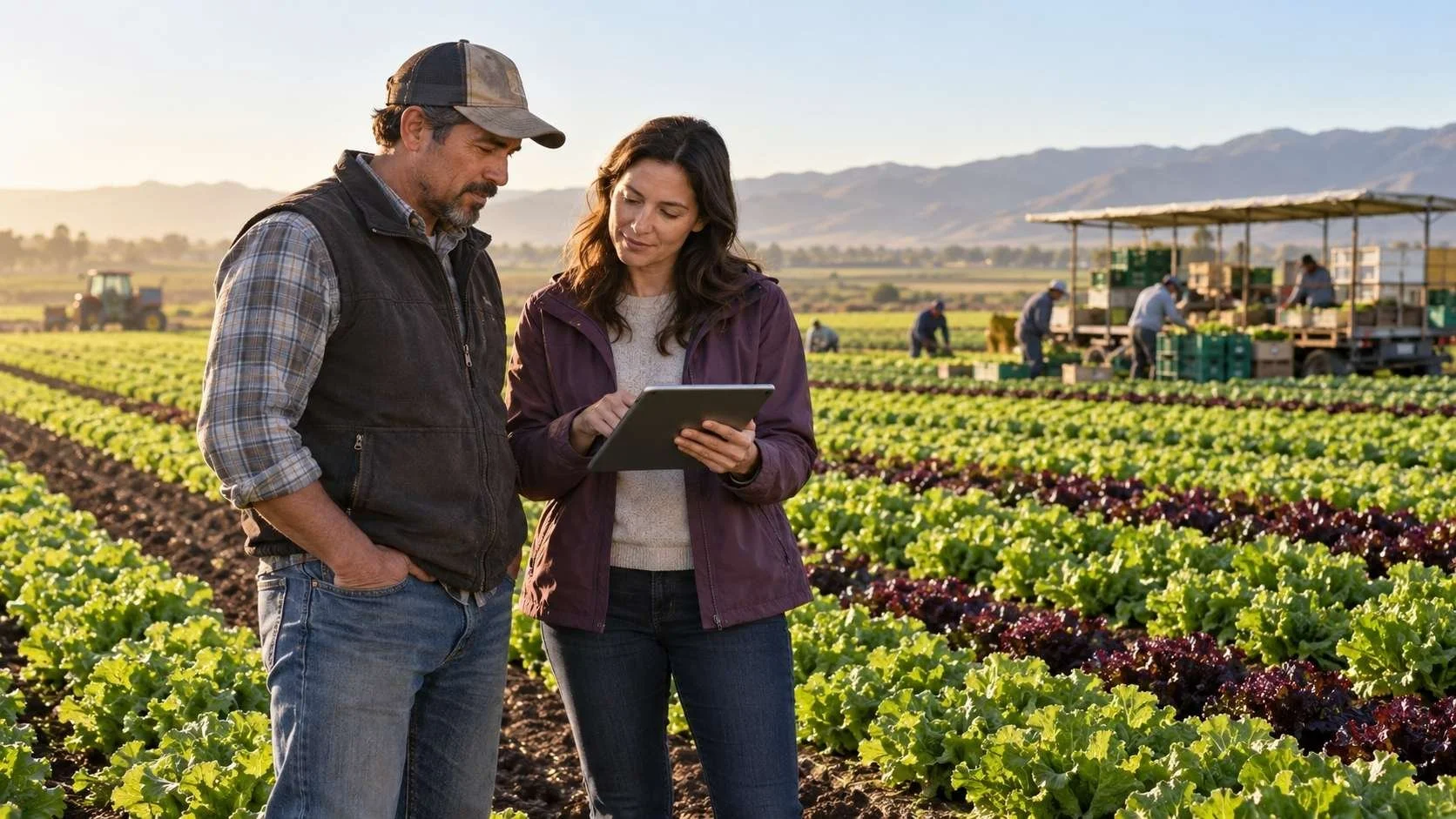
From Regenerative Practices to Market Opportunity: Why Buyer Participation Matters
Specialty crop growers are already making management decisions and implementing practices that can align with regenerative agriculture.
Those practices may include nutrient management, efficient irrigation, soil moisture monitoring, cover crops, integrated pest management, on-farm trials and compost applications. Which practices make sense will vary by crop, region, production system and farm goals.
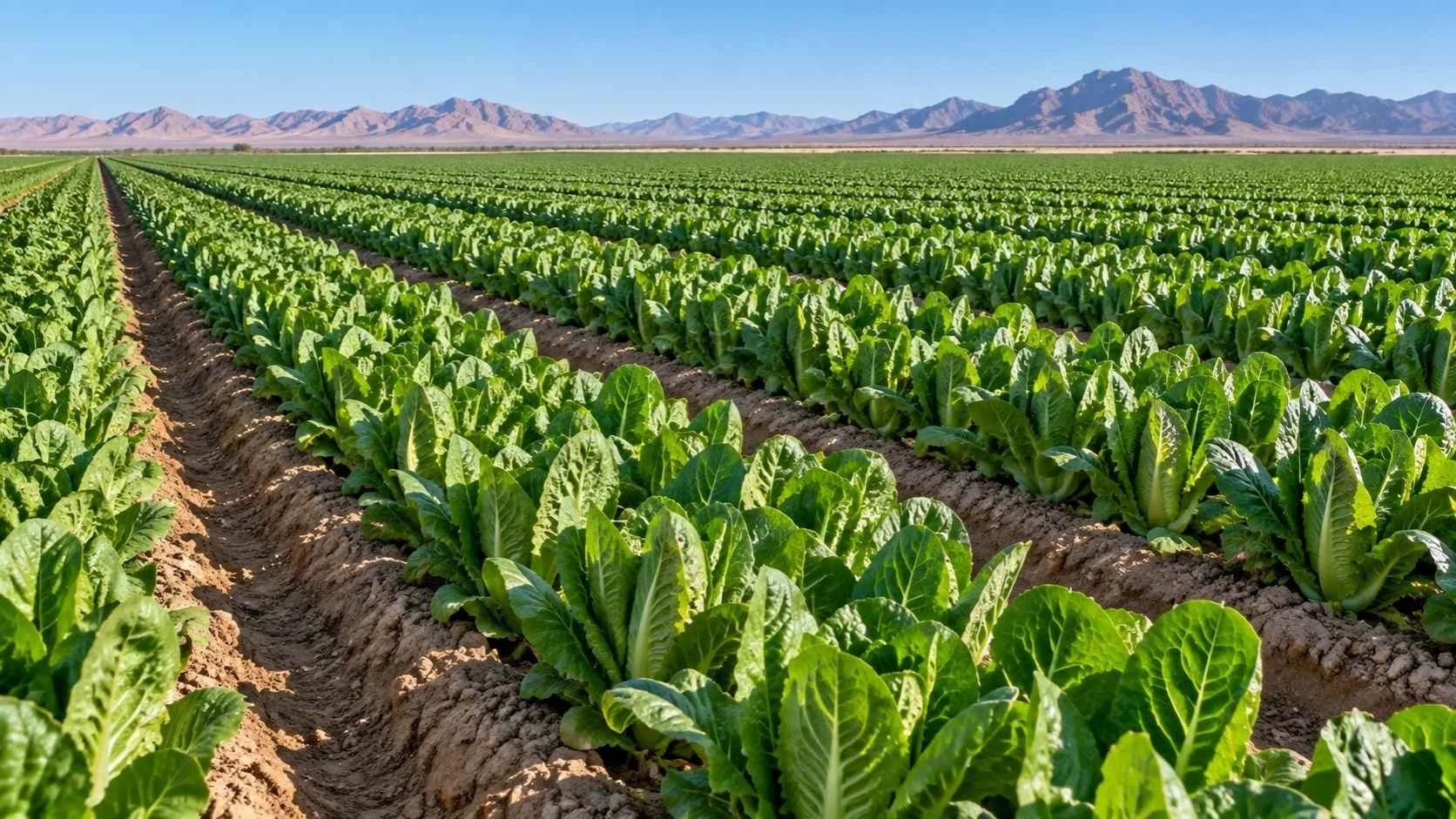
Regenerative Agriculture: Creating a Shared Understanding in Specialty Crops
Regenerative agriculture continues to gain attention across the food and agriculture industry. Growers are hearing about it from customers, buyers and food companies are developing commitments around it, and government agencies, researchers, nonprofits and certification programs are approaching it in different ways.
As interest grows, so can the confusion.
Insights from Measure to Improve | September 2026
September is a good time to look ahead at what is coming and make sure your team is prepared. Two issues we are watching closely this month are Walmart’s upcoming Project Gigaton reporting and the continued development of Extended Producer Responsibility requirements across the country.
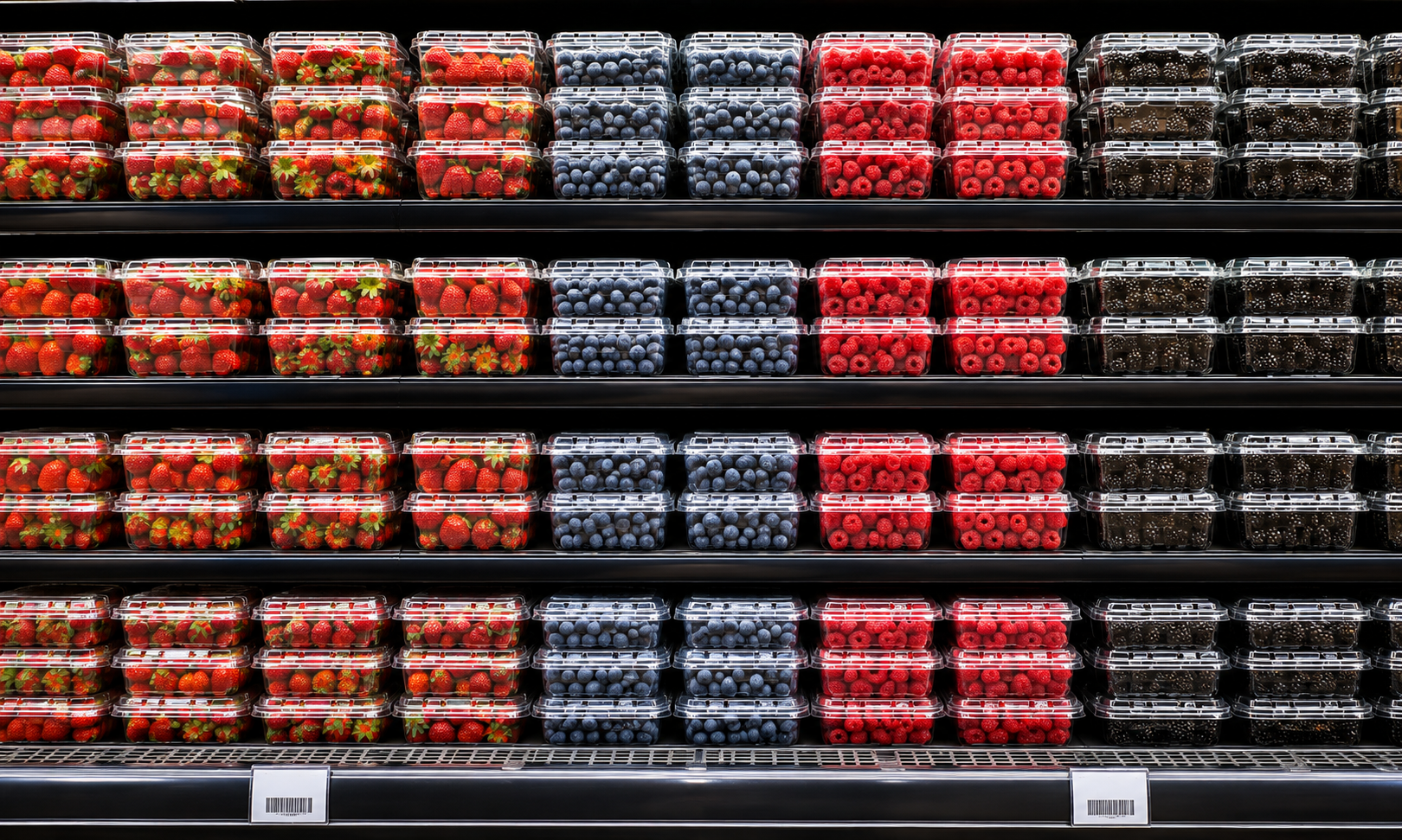
Oregon’s EPR Ruling: What Should the Produce Industry Do Now?
Extended Producer Responsibility (EPR) laws continue to take shape across the country, and a recent federal court decision in Oregon reinforces the need for businesses to prepare for these requirements rather than wait for every legal and regulatory question to be resolved. On August 27, a federal judge upheld Oregon’s Plastic Pollution and Recycling Modernization Act following a constitutional challenge brought by the National Association of Wholesaler-Distributors (NAW). The court rejected claims that Oregon’s EPR law violated the Dormant Commerce Clause and Due Process Clause of the U.S. Constitution, allowing the state to continue implementing its program. The decision is significant because it is the first full court ruling to test a packaging EPR law against the U.S. Constitution. While it applies specifically to Oregon and does not determine the outcome of legal challenges elsewhere, it provides another indication that companies should be preparing for EPR requirements now.
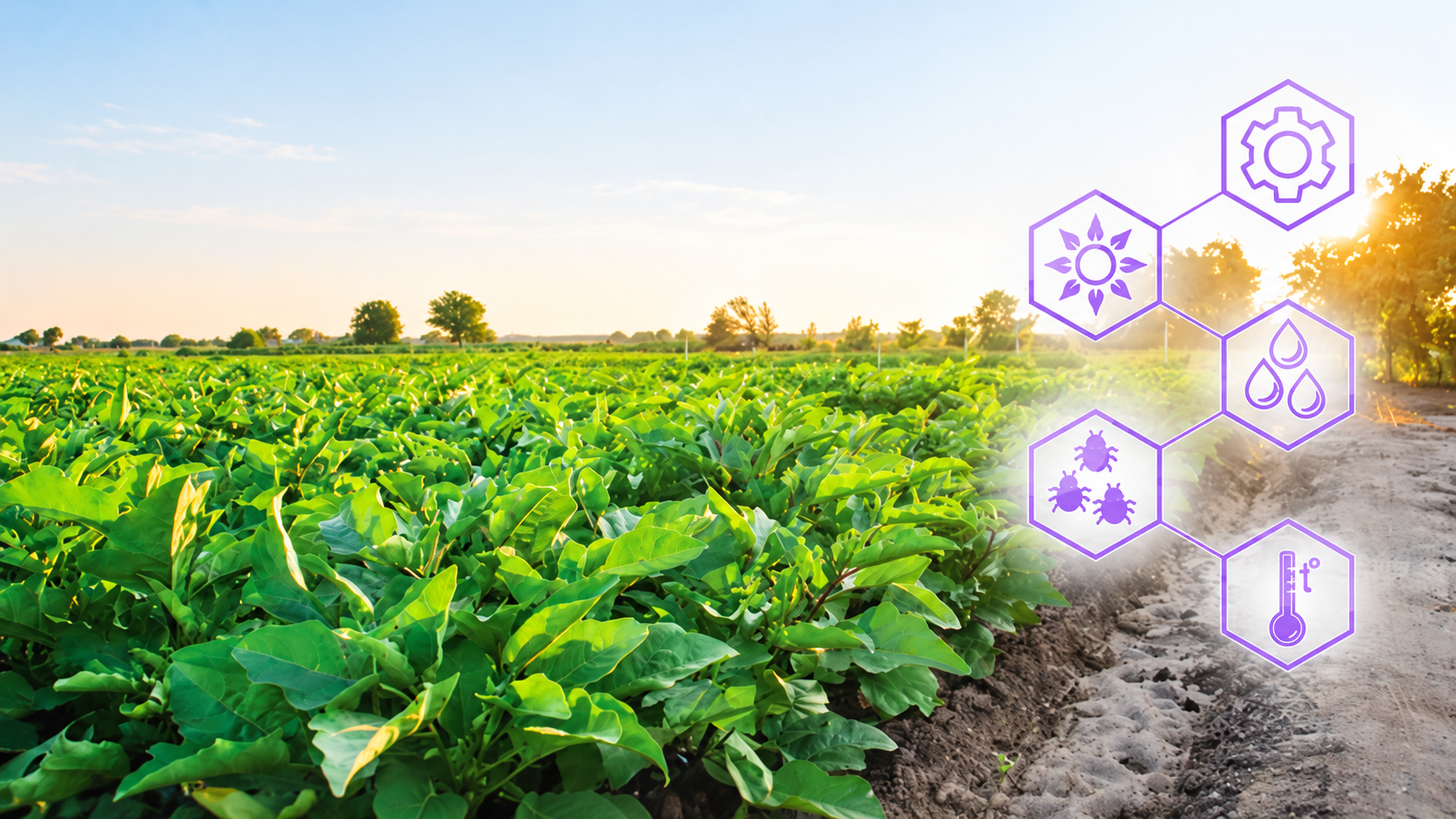
The Business Value of Sustainability
These are challenging times to be running a fresh produce business. Margins are tight, production costs continue to rise, customer expectations are evolving, and new reporting require ments are constantly emerging. At the same time, companies are expected to innovate, remain profitable, and prepare for an increasingly uncertain future. In that environment, sustain ability can easily seem like one more thing competing for already limited time and resources.
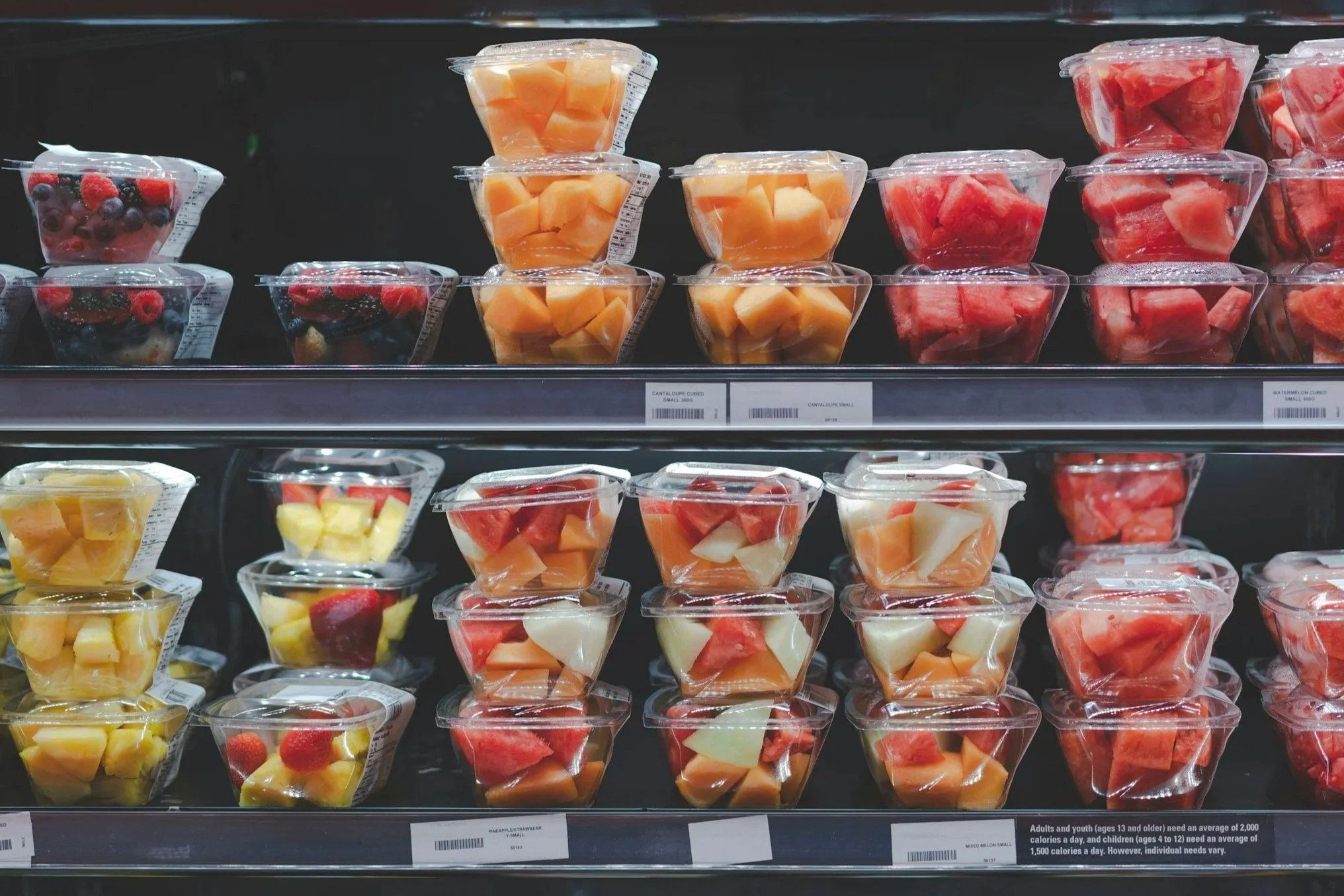
Special Edition: EPR & SB 54 CA Plastic Reduction
California’s packaging Extended Producer Responsibility (EPR) law is moving beyond registration and annual reporting. The next major requirement asks producers to look ahead and explain how they plan to reduce plastic packaging and food service ware in the coming years. Producers participating in Circular Action Alliance’s (CAA) California EPR program must submit their Individual Source Reduction (ISR) Plan by August 3, 2026.

Insights from Measure to Improve | July 2026
Over the past month, the Measure to Improve team has supported clients preparing for Extended Producer Responsibility (EPR), continued implementing the USDA Advancing Markets for Producers (AMP) Grant, and participated in conversations at both the Agri-Pulse Food & Ag Issues Summit and the Salinas Biological Summit.

The Future of Agriculture Depends on Reducing Grower Risk
Across the produce industry, growers are adopting new technologies, improving irrigation practices, implementing conservation measures, exploring biological products, collecting better data, and finding new ways to strengthen their operations. Researchers continue to advance the science. Industry is developing new tools. Policymakers are investing in the future of agriculture. Retailers are asking important questions about resilience, transparency, and long-term supply security.

Insights from the 2026 Salinas Biological Summit
The 2026 Salinas Biological Summit brought together growers, researchers, biological companies, retailers, regulators, and industry leaders to discuss the future of biologicals and their role in agriculture. Conversations covered biological crop protection, Integrated Pest Management (IPM), retailer expectations, consumer perceptions, and on-farm adoption.

Insights from the 2026 Agri-Pulse Food & Ag Issues Summit
The Agri-Pulse Food & Ag Issues Summit brought together policymakers, industry leaders, growers, researchers, and agricultural organizations to discuss the forces shaping the future of agriculture. Rather than focusing on individual production practices, the conversations centered on the broader economic, regulatory, and policy landscape influencing agriculture today.

California Walnut Sustainable Water Management Session
Water continues to be one of the most significant challenges that California walnut growers face. Changing weather patterns and evolving regulations can affect water availability from year to year, requiring growers to adapt while maintaining yield, quality, and profitability.

Fresh Picks & Sustainability Tips: June 2026
What a busy month it has been in the world of Extended Producer Responsibility (EPR). Between California’s reporting deadline, ongoing discussions around producer responsibility, and growing questions about packaging data and compliance obligations, one thing is clear: EPR is no longer a future issue. It is here today.
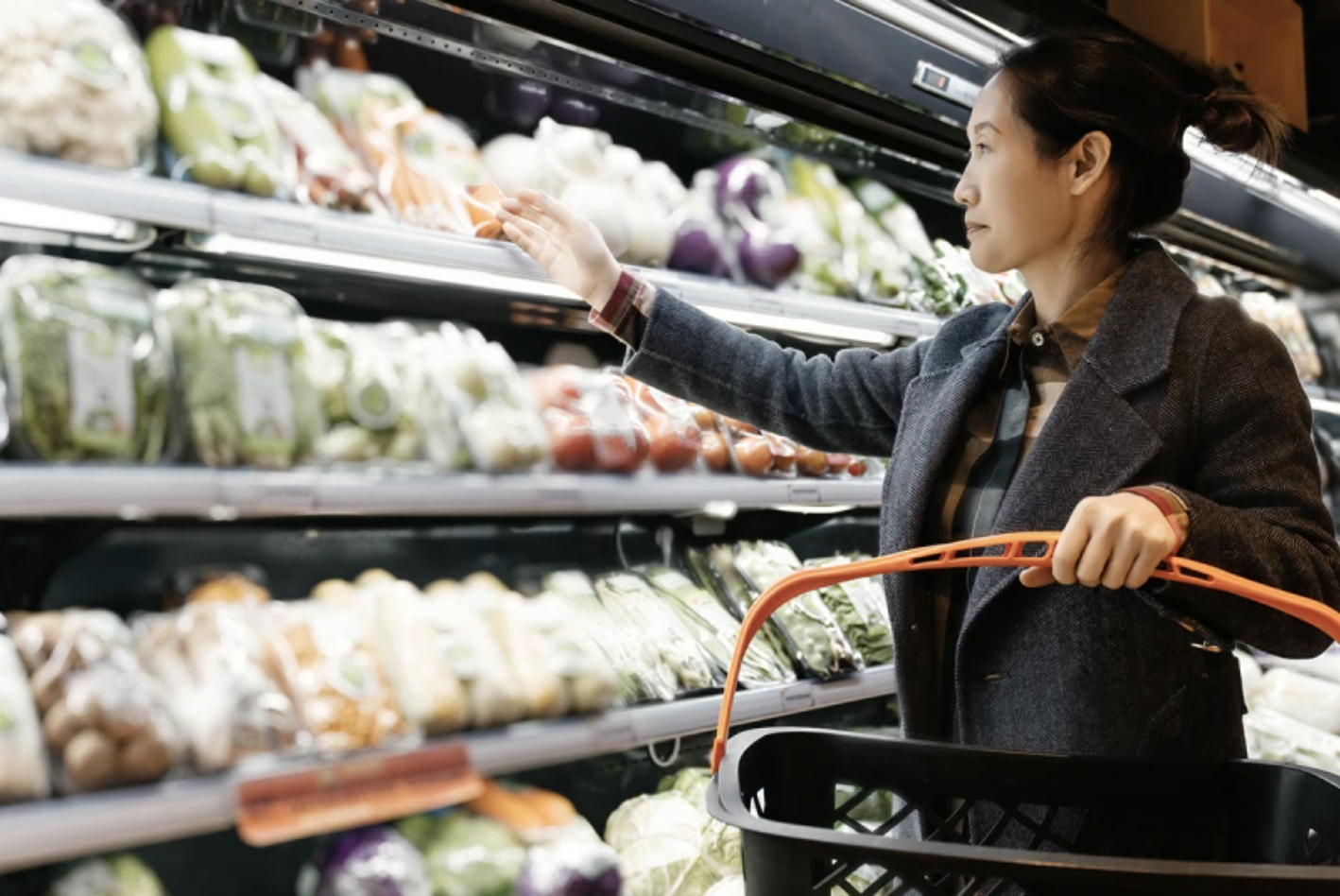
Measure to Improve Helps Fresh Produce Companies Prepare for Multi-State EPR Requirements
Measure to Improve (MTI), a Salinas-based sustainability consulting firm solely focused on serving the fresh produce industry since 2014, is helping fresh produce companies prepare for the increasing number of Extended Producer Responsibility (EPR) packaging laws emerging across the United States.

What Washington Orchard Growers Are Teaching the Industry About Regenerative Agriculture
Visiting growers in Washington State reveal what regenerative agriculture, conservation practices, and long-term stewardship actually look like across orchard operations today.
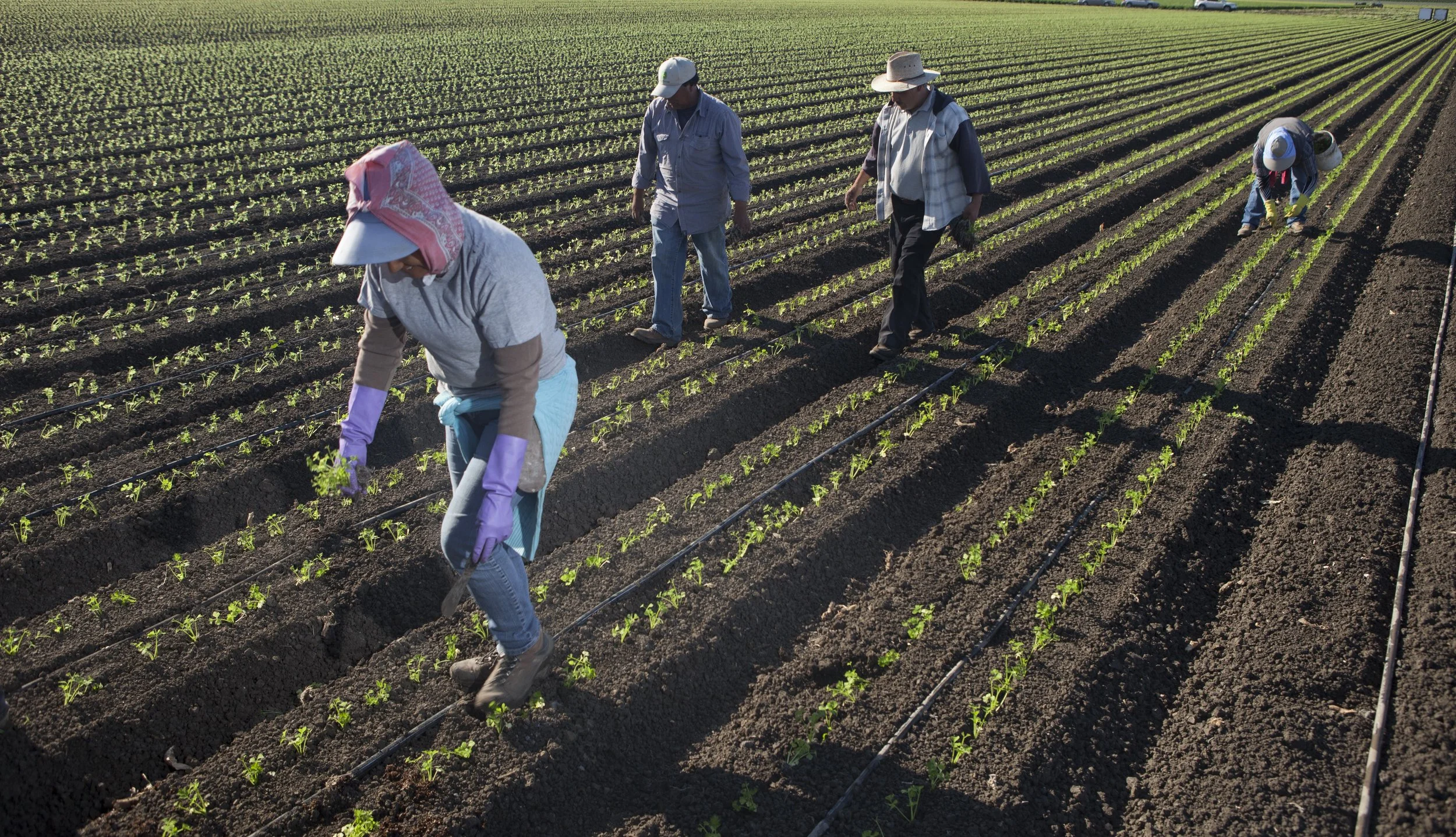
Why “Checking the Box” on Sustainability Compliance Is Risky
Across the fresh produce industry, many companies are taking the fastest and least expensive path possible to respond and remain compliant with retailer sustainability requests and evolving regulatory requirements.
Between labor challenges, rising input costs and operational and financial pressures, and lean internal teams, companies are stretched thin and being asked to manage more with fewer resources. But reactive compliance can cause problems for your business in the long-term.

Fresh Picks & Sustainability Tips: May 2026
Across the fresh produce industry, sustainability is not becoming simpler. Expectations, requirements, and priorities continue to shift, and signals are mixed. In this issue of Fresh Picks & Sustainability Tips, we highlight what’s changing, what to focus on, and how to move forward without overbuilding or wasting time, including the latest on EPR, the USDA AMP project, and how building soil health is key to gaining a competitive advantage.

Measure to Improve Launches New Services to Demystify Shifting Regulatory Requirements
Fresh produce growers face complex new rules for greenhouse gas reporting and extended producer responsibility as state deadlines loom.
In this feature article from The Packer, Measure to Improve outlines new measures to demystify these shifting regulatory requirements.